
May 22, 2024
root canal
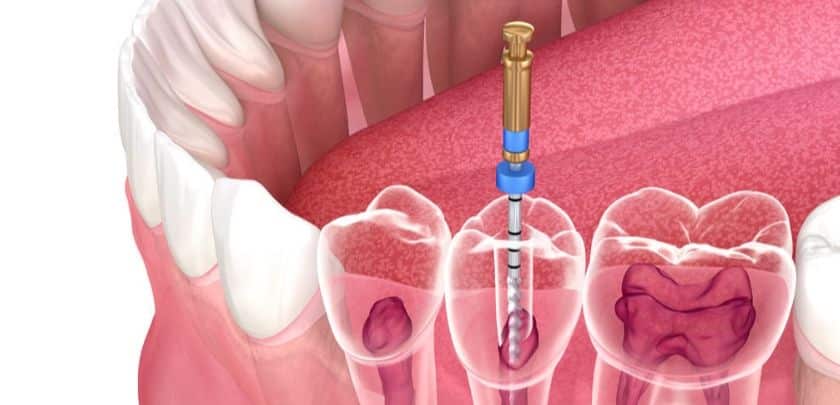
Root canals are a common dental procedure designed to save a tooth with a severely infected or inflamed pulp (the soft tissue inside the tooth). While generally successful, there’s a chance a root canal can become re-infected. If you suspect this might be the case, here’s what you need to know.
Understanding Root Canal Re-infection
During a root canal, the dentist removes the infected pulp, cleans the canals within the tooth’s root, and seals them with a filling material. However, bacteria can sometimes re-enter the canals through tiny cracks or incomplete seals, leading to a new infection.
Signs of an Infected Root Canal
Early detection is crucial for successful treatment. Be on the lookout for these signs:
- Throbbing pain: This persistent pain can be severe and worsen at night.
- Sensitivity to hot and cold: The tooth might become extremely sensitive to temperature changes.
- Swelling in the gums: The area around the affected tooth may become red, swollen, and tender.
- Facial swelling: In severe cases, swelling can spread to the jaw or face.
- Drainage from the tooth: Pus might drain from a small bump near the infected tooth.
- Loose tooth: An infected root canal can weaken the bone supporting the tooth, making it feel loose.
Seeking Emergency Dental Care
If you experience any of these symptoms, it’s vital to seek professional help immediately. A root canal infection can spread to your jawbone, other teeth, and even your bloodstream if left untreated.
What to Expect at the Dentist
During your appointment, the dentist will:
- Review your symptoms and dental history.
- Perform a physical examination of your mouth and teeth.
- Take X-rays to assess the extent of the infection.
Based on their evaluation, the dentist will recommend the most appropriate treatment.
Treatment Options for Infected Root Canals
- Antibiotics: Oral antibiotics are often the first line of defense to combat the infection.
- Root canal retreatment: This involves reopening the tooth, removing any remaining infected tissue or old filling material, cleaning the canals again, and resealing them.
- Surgery: In some cases, surgery might be necessary to remove the infection or treat a bone abscess (a pus-filled pocket in the jawbone).
- Tooth extraction: If the tooth is severely damaged beyond repair, extraction may be the only option.
Recovery Tips
Following your dentist’s instructions for post-treatment care is essential for a smooth recovery. Here are some general tips:
- Maintain good oral hygiene: Brush and floss regularly to remove bacteria and promote healing.
- Manage pain: Over-the-counter pain relievers can help manage discomfort.
- Apply a cold compress: This can help reduce swelling on the face or gums.
- Eat soft foods: Opt for soft, easy-to-chew foods to avoid putting pressure on the treated tooth.
- Avoid smoking and alcohol: These can hinder healing and increase the risk of complications.
Preventing Future Root Canal Infections
Here are some steps to minimize the risk of future infections:
- Practice excellent oral hygiene: Brush your teeth twice a day and floss daily.
- Schedule regular dental checkups and cleanings: Early detection of cavities and gum disease can prevent the need for root canals altogether.
- Wear a mouthguard: If you grind your teeth at night, a mouthguard can protect your teeth from damage that could necessitate a root canal.
- Treat dental issues promptly: Don’t delay treatment for cavities or other dental problems.
- Maintain a healthy diet: Limit sugary foods and drinks that can promote tooth decay.
While a root canal re-infection can be a cause for concern, it’s treatable with prompt professional intervention. By recognizing the signs, seeking immediate dental care, and following your dentist’s instructions, you can save your tooth and restore your oral health. Remember, an ounce of prevention is worth a pound of cure, so prioritize good oral hygiene and regular dental visits to minimize the risk of future problems.
Recent Posts
Feb. 16, 2026
Oral vs. IV Sedation: What’s the Difference and Which Is Right for You?
Jan. 27, 2026
Daily Care Routine for Dentures: Cleaning & Storage Guide
Jan. 19, 2026
Speech & Dentures: Quick Fixes to Common Issues
Jan. 12, 2026
Top Tips for Eating Comfortably with New Dentures

Jan. 05, 2026
The Ultimate Guide to Dentures: Types, Process, Benefits & Care
Catagories
- Bad Breath (1)
- Cosmetic Dentist (2)
- Dental Bonding (1)
- Dental Checkups (6)
- Dental Crown (1)
- Dental Fillings (1)
- Dental Implants (21)
- Dental Insurance (2)
- Dental Sealant (3)
- Dental Veneers (6)
- Dentures (7)
- Emergency Dentistry (9)
- Gum Disease (2)
- Invisalign (5)
- Mouthguard (3)
- New Year (1)
- Oral Health (12)
- Periodontal Treatment (2)
- root canal (4)
- Sedation Dentistry (2)
- Sumner Dental Group (7)
- teeth whitening (8)
- Tooth Extractions (10)
- Uncategorized (0)
- Wisdom Tooth Extraction (1)