

June 25, 2024
Oral Health
Oral surgery can be a daunting prospect for many people. Whether you’re facing wisdom teeth removal, dental implants, corrective jaw surgery, or another procedure, thorough preparation can significantly ease your experience and promote smooth recovery. In this blog, we’ll discuss essential tips and advice to help you prepare for oral surgery effectively.
Understanding Oral Surgery
Before diving into preparation tips, it’s crucial to understand what oral surgery entails. Oral surgery encompasses a wide range of procedures performed on the mouth, jaw, and facial areas. Common procedures include:
- Wisdom Teeth Removal: Extraction of impacted or problematic wisdom teeth.
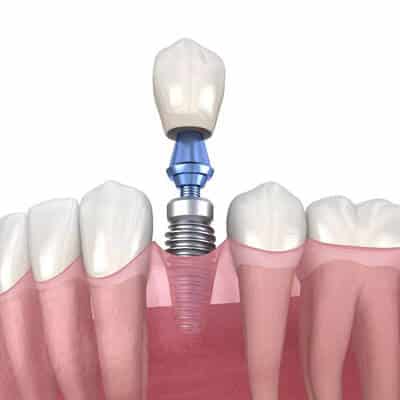
- Dental Implants: Placement of artificial tooth roots to support dental prostheses.
- Jaw Surgery (Orthognathic Surgery): Correction of jaw alignment issues.
- Root Canal Treatment: Removal of infected pulp within the tooth.
- Biopsies: Removal of tissue for examination to diagnose oral diseases.
Each of these procedures requires specific preparations to ensure safety, minimize discomfort, and facilitate recovery.
Tips to Prepare for Oral Surgery
1. Consultation and Planning
The first step in preparing for oral surgery is to schedule a consultation with your oral surgeon. During this visit, your surgeon will:
- Explain the procedure in detail, including risks and benefits.
- Evaluate your medical history, current medications, and any allergies.
- Discuss anesthesia options and potential side effects.
- Provide pre-operative instructions specific to your surgery.
This consultation is an opportunity to ask questions and address any concerns you may have about the procedure.
2. Follow Pre-operative Instructions
Your surgeon will provide specific guidelines to prepare for surgery. These instructions typically include:
- Fasting: Depending on the type of anesthesia used, you may need to avoid eating or drinking for a certain period before surgery.
- Medication: Adjustments to current medications may be necessary. Inform your surgeon about all medications, including over-the-counter supplements.
- Smoking and Alcohol: Avoid smoking and alcohol in the days leading up to surgery, as they can interfere with healing.
Following these instructions diligently helps minimize surgical risks and ensures optimal conditions for the procedure.
3. Arrange Transportation and Support
Most oral surgeries involve anesthesia, which can impair your ability to drive safely afterward. Arrange for a responsible adult to accompany you to the appointment and drive you home afterward. Having someone with you during the initial recovery period at home can also provide emotional support and assistance if needed.
4. Prepare Your Recovery Space
Create a comfortable recovery space at home before your surgery. Consider:
- Comfortable Seating: Arrange pillows or cushions to support your head and neck.
- Soft Foods: Stock up on soft, nutritious foods like soups, yogurt, mashed potatoes, and smoothies. Avoid hot or spicy foods that can irritate the surgical site.
- Ice Packs: Have ice packs or frozen peas on hand to reduce swelling and discomfort.
- Entertainment: Prepare books, movies, or music to keep yourself occupied during recovery.
Having these essentials ready beforehand will make your recovery period more manageable.
5. Plan Time Off Work or School
Depending on the complexity of the surgery, you may need to take time off from work or school to recover fully. Discuss with your surgeon how much time you should plan for recovery and any restrictions on physical activities during this period.
6. Maintain Oral Hygiene
Good oral hygiene is essential both before and after oral surgery to prevent infections. Follow these guidelines:
- Brush and Floss: Clean your teeth thoroughly before surgery to reduce bacteria in the mouth.
- Mouthwash: Rinse with an antibacterial mouthwash as directed by your surgeon.
- Avoid Oral Piercings: Remove any oral piercings before surgery to minimize complications.
7. Understand Post-operative Care
Before leaving the surgical facility, make sure you understand post-operative care instructions. These may include:
- Pain Management: Take pain medications as prescribed by your surgeon to manage discomfort.
- Swelling: Apply ice packs to reduce swelling during the first 24 hours after surgery.
- Bleeding: Use gauze pads to control bleeding, if applicable, and avoid vigorous rinsing or spitting.
- Dietary Restrictions: Stick to soft foods and liquids initially, gradually reintroducing solid foods as tolerated.
8. Follow-up Appointments
Schedule follow-up appointments with your oral surgeon as recommended. These appointments are crucial for monitoring healing progress, removing stitches if necessary, and addressing any concerns you may have.
Emotional Preparation
Preparing for oral surgery isn’t just about physical readiness; it also involves emotional preparation. It’s normal to feel anxious or nervous before surgery. Here are some tips to manage anxiety:
- Educate Yourself: Learn about the procedure and what to expect during and after surgery.
- Breathing Exercises: Practice deep breathing or meditation to help calm nerves.
- Talk to Others: Share your concerns with friends, family, or a therapist for emotional support.
Conclusion
Preparing for oral surgery involves careful planning and adherence to pre-operative and post-operative instructions. By following these tips and advice, you can ensure a smoother surgical experience and promote faster recovery. Remember to communicate openly with your oral surgeon, ask questions, and prioritize your health and well-being throughout the process. With proper preparation, you can approach your oral surgery with confidence and achieve the best possible outcome for your oral health.
Recent Posts
Mar. 13, 2026
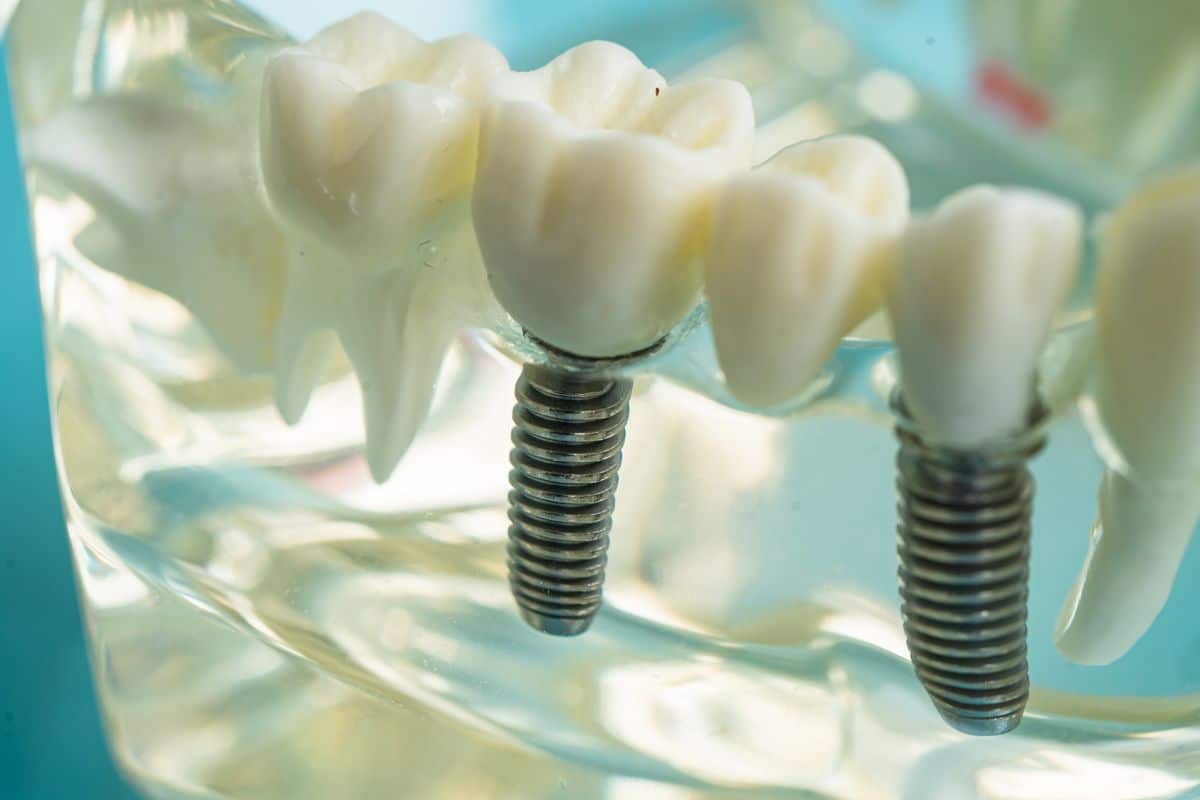
Recovery Tips After All-On-4 Teeth in a Day Surgery
Feb. 16, 2026
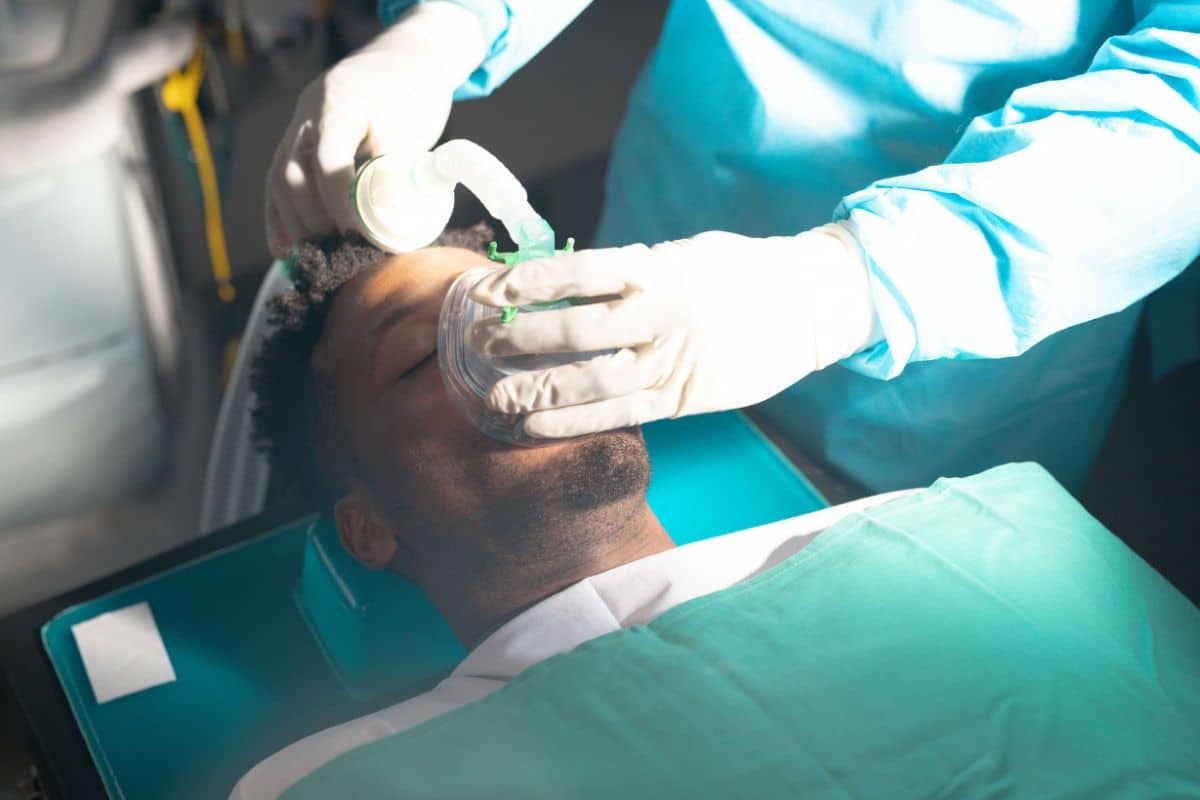
Oral vs. IV Sedation: What’s the Difference and Which Is Right for You?
Jan. 27, 2026
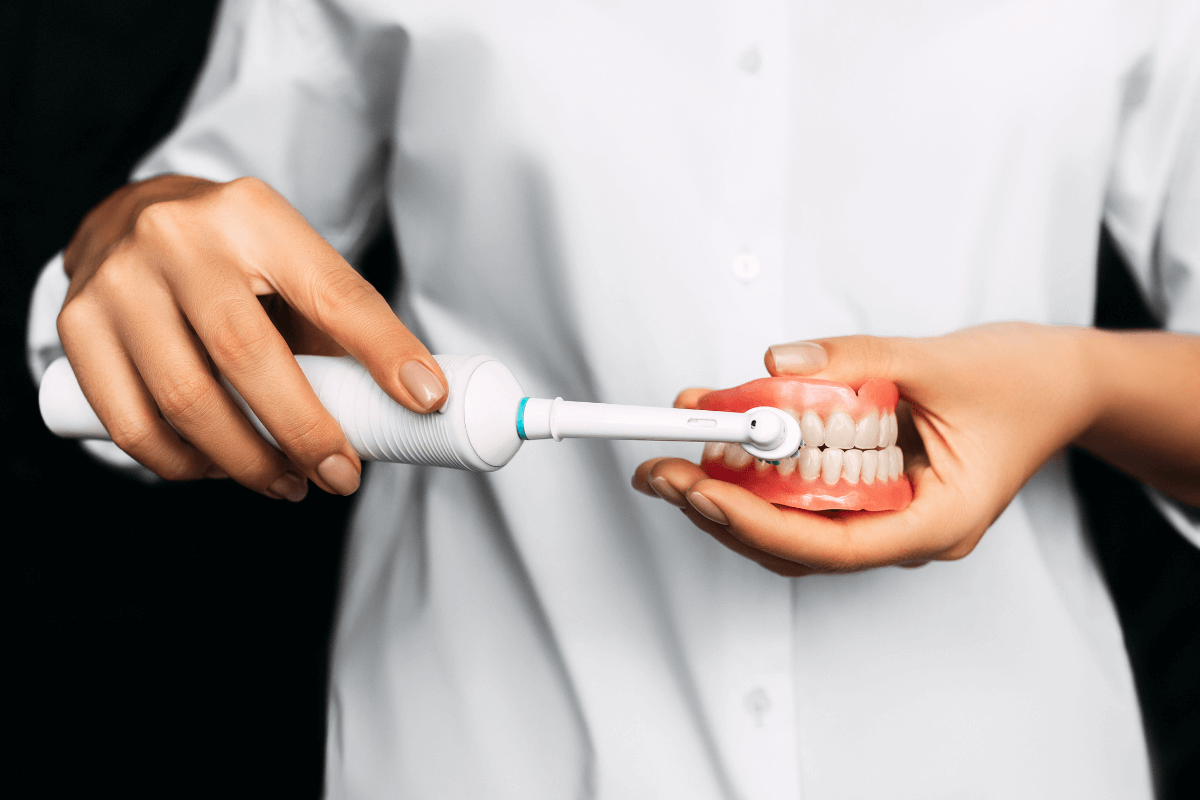
Daily Care Routine for Dentures: Cleaning & Storage Guide
Jan. 19, 2026
Speech & Dentures: Quick Fixes to Common Issues
Jan. 12, 2026
Top Tips for Eating Comfortably with New Dentures
Catagories
- Bad Breath (1)
- Cosmetic Dentist (2)
- Dental Bonding (1)
- Dental Checkups (6)
- Dental Crown (1)
- Dental Fillings (1)
- Dental Implants (22)
- Dental Insurance (2)
- Dental Sealant (3)
- Dental Veneers (6)
- Dentures (7)
- Emergency Dentistry (9)
- Gum Disease (2)
- Invisalign (5)
- Mouthguard (3)
- New Year (1)
- Oral Health (12)
- Periodontal Treatment (2)
- root canal (4)
- Sedation Dentistry (2)
- Sumner Dental Group (7)
- teeth whitening (8)
- Tooth Extractions (10)
- Uncategorized (0)
- Wisdom Tooth Extraction (1)