
September 19, 2024
root canal
Root canal treatment is a critical procedure in modern dentistry designed to save teeth that are badly damaged or infected. This procedure involves removing the affected pulp from inside the tooth and cleaning and disinfecting the canals, after which they should be sealed to stop additional infection. The approach to a root canal varies depending on the type of tooth being treated. Understanding how root canals apply to different types of teeth can help you make informed decisions about your dental care and prepare for the procedure.
Types of Teeth and Their Root Canal Root Canal Procedures
Different teeth have different structures, which affects how root canal treatment is performed. Let’s explore how root canals are adapted for incisors, premolars, and molars.
Incisors
- Structure: Incisors are the front teeth used primarily for cutting food. They have a simple structure with a single root canal that is generally straightforward to access and treat.
- Procedure: Root canals for incisors are relatively simple compared to other teeth. In order to reach the pulp chamber, the dentist drills a tiny access hole in the tooth’s apex. Once accessible, the damaged or contaminated pulp is removed using specialized tools. The dentist then cleans and shapes the canal to remove any remaining bacteria. After the canal is thoroughly cleaned, it is filled with a rubber-like material called gutta-percha, and the access hole is sealed with a filling. In many cases, the tooth is covered with a crown to safeguard it and give it back its functionality.
- Recovery: Recovery from a root canal on an incisor is typically quick. Patients might experience some tenderness or mild discomfort for a few days, but this usually resolves on its own. It’s important to follow the dentist’s aftercare instructions and avoid chewing hard foods on the treated tooth until it is fully restored.
Premolars
- Structure: Premolars are located between the incisors and molars. They are used for grinding and tearing food and generally have one or two roots with multiple canals. Their complex structure can make root canals more challenging than for incisors.
- Procedure: Root canals for premolars involve a more detailed approach. The dentist must carefully locate and clean each canal. This is crucial to ensure that all infected material is removed. Advanced imaging methods, like X-rays, could be used to map out the canal system before treatment begins. After cleaning, the canals are filled with gutta-percha and sealed. A crown is often placed over the tooth to restore its strength and function.
- Recovery: Recovery from a root canal on a premolar may take a bit longer than an incisor. Patients should expect some discomfort, which usually subsides within a few days. Frequent follow-up consultations could be necessary to make sure that the tooth is healing properly.
Molars
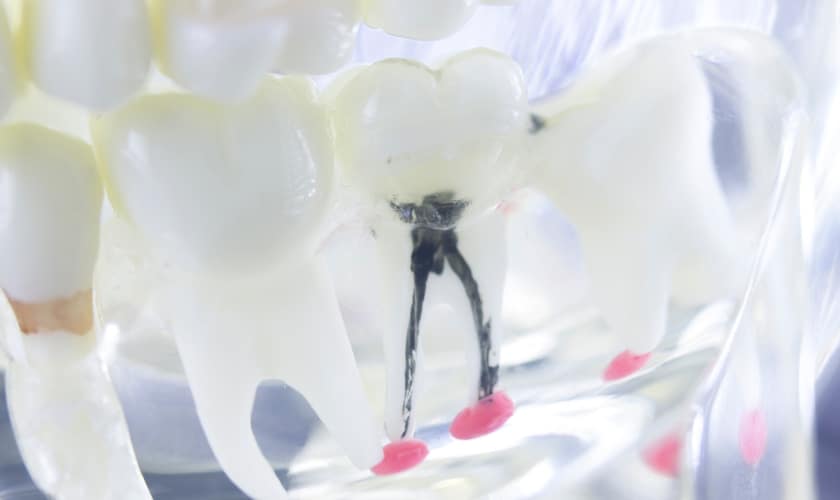
- Structure: Molars are the large, flat teeth at the back of the mouth. They have a more complex structure, often with three or more roots and multiple canals. This complexity makes molar root canal therapies the most challenging.
- Procedure: Root canals for molars involve a thorough and meticulous process. The dentist uses advanced techniques and tools to access and clean each canal within the multiple roots. Special instruments are used to navigate the intricate canal system, ensuring that all infected tissue is removed. After the cleaning and shaping process, the canals are filled with gutta-percha, and the tooth is sealed. Given the molar’s crucial role in chewing, a crown is usually necessary to restore its function and protect it from further damage.
- Recovery: Recovery from a molar root canal can be more involved due to the tooth’s complex structure. Patients might experience more significant discomfort and swelling, which should be managed with pain relievers and anti-inflammatory medications. The recovery period might be longer, and follow-up visits are crucial to monitor the tooth’s healing.
Benefits of Root Canal Treatment
This treatment offers several significant benefits:
- Pain Relief: The procedure alleviates the pain brought on by a broken or infected tooth by extracting the source of the discomfort.
- Preservation of Natural Tooth: By saving the natural tooth, a root canal helps maintain your bite and prevents alignment issues that can arise from tooth loss.
- Restored Function: After treatment, you may eat and speak regularly since the tooth is functioning normally.
- Aesthetic Improvement: In cases where the tooth’s appearance is affected, a root canal followed by a crown can restore the tooth’s natural look, enhancing your smile.
How to do Aftercare and Maintenance?
Adequate follow-up is necessary to guarantee the success of root canal treatment. Here are some key aftercare tips:
- Follow Post-Treatment Instructions: Adhere to your dentist’s aftercare guidelines to ensure proper healing. This involves following any prescription drug regimen and abstaining from particular meals.
- Maintain Oral Hygiene: Keep up your regular flossing and brushing, paying close attention to the treated tooth to prevent new infections.
- Avoid Hard Foods: Chewing hard or sticky food should be avoided until the treated tooth is completely covered with a crown.
- Regular Check-ups: Schedule follow-up visits with should keep an eye on the condition of the tooth you’ve had fixed, and make sure it is healing properly.
When to Seek Professional Help?
While root canal treatment is generally effective, there are times when you should seek further professional help:
- Persistent Pain: If you’re still in discomfort or if the pain worsens after the procedure, consult your dentist. It may indicate an issue with the treatment or an incomplete cleaning of the canal.
- Swelling or Tenderness: Any significant swelling or tenderness around the treated area should be addressed promptly to rule out complications.
- Tooth Discoloration: Changes in the color of the treated tooth may indicate issues that need professional attention.
The Importance of Root Canal in Dental Health
The use of root canal treatment is significant in maintaining dental health by saving teeth that are otherwise at risk of extraction. Addressing severe infections or damage helps prevent further oral health issues and maintains the integrity of your smile.
Depending on the type of tooth being treated, a root canal is a necessary surgery. Whether it’s an incisor, premolar, or molar, understanding how each type is treated and the different materials used can assist you in managing your recovery and getting ready for the operation. If you need a root canal or have concerns about your dental health, consult your dentist to explore the best options for your situation. They can provide tailored advice and care to guarantee the finest results for the state of your teeth.
Frequently Asked Questions
Q. What are the common signs that I need a root canal?
A. Common signs include severe tooth pain, prolonged sensitivity to hot or cold, tenderness when chewing, gum swelling, and tooth discoloration. If you experience any of these symptoms, it’s essential to see a dentist for evaluation.
Q. Can a tooth that has had a root canal still get cavities?
A. Yes, a tooth that has undergone a root canal can still develop cavities if it is not properly cared for. Good oral hygiene and regular dental check-ups are essential to prevent decay and maintain the health of the tooth.
Q. How long will a tooth with a root canal last?
A. With proper care, a tooth that has had a root canal can last many years, often for a lifetime. The longevity depends on the tooth’s condition, the presence of a crown, and maintaining good oral hygiene. Regular dental visits are important to monitor the health of the treated tooth.
Recent Posts
Mar. 13, 2026
Recovery Tips After All-On-4 Teeth in a Day Surgery

Feb. 16, 2026
Oral vs. IV Sedation: What’s the Difference and Which Is Right for You?
Jan. 27, 2026
Daily Care Routine for Dentures: Cleaning & Storage Guide
Jan. 19, 2026
Speech & Dentures: Quick Fixes to Common Issues
Jan. 12, 2026
Top Tips for Eating Comfortably with New Dentures
Catagories
- Bad Breath (1)
- Cosmetic Dentist (2)
- Dental Bonding (1)
- Dental Checkups (6)
- Dental Crown (1)
- Dental Fillings (1)
- Dental Implants (22)
- Dental Insurance (2)
- Dental Sealant (3)
- Dental Veneers (6)
- Dentures (7)
- Emergency Dentistry (9)
- Gum Disease (2)
- Invisalign (5)
- Mouthguard (3)
- New Year (1)
- Oral Health (12)
- Periodontal Treatment (2)
- root canal (4)
- Sedation Dentistry (2)
- Sumner Dental Group (7)
- teeth whitening (8)
- Tooth Extractions (10)
- Uncategorized (0)
- Wisdom Tooth Extraction (1)