

October 3, 2024
Emergency Dentistry
Dealing with a dental emergency, particularly a situation that requires a tooth extraction, can be stressful and painful. Whether due to severe decay, trauma, or infection, an emergency tooth extraction may become necessary to alleviate discomfort and prevent further complications. Knowing how to manage such emergencies effectivelycan significantly impact your entire experience and healing process.
This manual will help you comprehend the procedures to take, from recognizing the need for extraction to post-procedure care.
Recognizing When Tooth Extraction is Necessary
Severe Pain or Infection
- Intense Pain: Persistent and severe tooth pain often signals that an extraction might be necessary. This pain is usually caused by significant decay or an abscess. If over-the-counter pain relievers aren’t providing relief, it’s a sign that you need professional attention. Severe pain is often a symptom of a deep infection or advanced tooth decay that cannot be treated with other methods.
- Signs of Infection: Infections in the tooth can lead to swelling, redness, and pain. If you notice any of these symptoms, along with a fever, it may indicate an abscess or other serious infection. In these circumstances, an urgent tooth extraction could be needed to remove the source of the infection and stop it from extending to other bodily areas.
Damage or Injury
- Fractured or Broken Tooth: A tooth that is severely fractured or broken, particularly if the damage extends to the root, may not be salvageable. If the tooth is cracked below the gum line or is causing significant discomfort, extraction might be necessary to avoid further complications, such as infection or damage to surrounding teeth.
- Trauma: Injuries or accidents that cause harm to the tooth can necessitate an emergency extraction. For example, a tooth knocked out by trauma may need to be extracted if it cannot be successfully re-implanted or restored. Immediate care is crucial to address trauma-related issues effectively.
Immediate Actions to Take
Contact an Emergency Dentist
- Seek Professional Help: The very first step in managing a dental emergency is to get in touch with an emergency dentist. These professionals specialize in urgent dental care and are equipped to handle tooth extractions on short notice. Explain your symptoms and situation clearly to ensure they understand the urgency of your condition.
- Prepare for Your Visit: Gather any relevant information about your symptoms, medical history, and current medications. This information will help the emergency dentist make an informed decision about the best course of action for your situation.
Manage Pain and Discomfort
- Use Pain Relievers: While waiting to see the dentist, over-the-counter painkillers such as ibuprofen or acetaminophen are available for use to manage discomfort. These medications help reduce pain and inflammation.To prevent any issues, make sure you closely adhere to the dose directions.
- Apply a Cold Compress: To lessen swelling and numb the pain, apply a cold compress to the affected area. Use the compress for 15-20 minutes at a time, with breaks in between. This can help lessen the inflammation and provide temporary relief from pain.
Preparing for the Tooth Extraction
What to Expect During the Procedure?
- Anesthesia: To numb the area around the tooth, the dentist will first use local anesthetic prior to the extraction. This guarantees that you are comfortable and do not feel pain during the procedure. In some cases, if the extraction is more complicated, sedation or general anesthesia may be used.
- The Extraction Process: During the procedure, to extract the tooth and release it from its socket, the dentist will employ specialist instruments. If the tooth is broken or impacted, the dentist may need to make a small incision in the gum to facilitate the extraction. The dentist will work carefully to minimize discomfort and ensure that the extraction is done efficiently.
How to take Post-Extraction Care?
- Follow Post-Procedure Instructions: After the extraction, your dentist will provide specific care instructions. These typically include how to manage pain, what foods to avoid, and how to maintain oral hygiene. It’s imperative that you adhere to these guidelines for a speedy recovery.
- Rest and Recovery: Rest is important after a tooth extraction. Steer clear of intense activity and allow your body to rest. It’s normal to experience some swelling and discomfort. However, these symptoms ought to become better with time. If you’re worried about anything about your recovery, contact your dentist.
Handling Complications
Managing Bleeding
- Apply Pressure: Bite lightly on a gauze pad covered over the extraction site if bleeding persists after the extraction. Maintain firm pressure for 30-45 minutes to help control bleeding. Avoid checking the site too frequently, as this can disrupt clot formation.
- Avoid Certain Activities: For at least 24 hours after the extraction, avoid activities that can interfere with healing. This includes rinsing your mouth vigorously, using straws, or smoking. Engaging in these activities may cause the blood clot to come loose from the extraction site, which might result in a dry socket.
Watch for Infection
- Monitor for Symptoms: Keep an eye out for signs of infection, such as increased pain, swelling, or discharge from the extraction site. If you experience any of these symptoms, contact your emergency dentist immediately for further evaluation and treatment.
- Maintain Oral Hygiene: While it’s important to keep the extraction site clean, avoid brushing directly on the area for the first few days. Use a mild saltwater rinse and maintain dental hygiene to lower the chance of infection. Proper oral hygiene is essential for promoting healing and preventing complications.
Follow-Up Care and Prevention
Schedule a Follow-Up Appointment
- Post-Extraction Check-Up: A follow-up appointment with your dentist is essential to ensure proper healing and address any concerns you may have. The dentist will check the extraction site and may provide additional guidance on care and recovery.
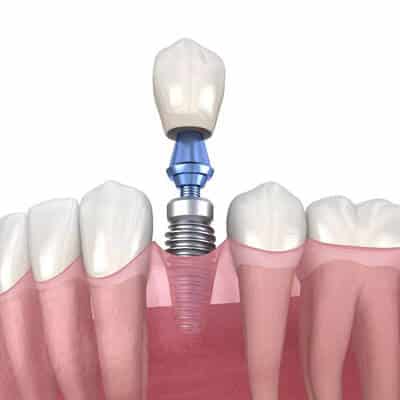
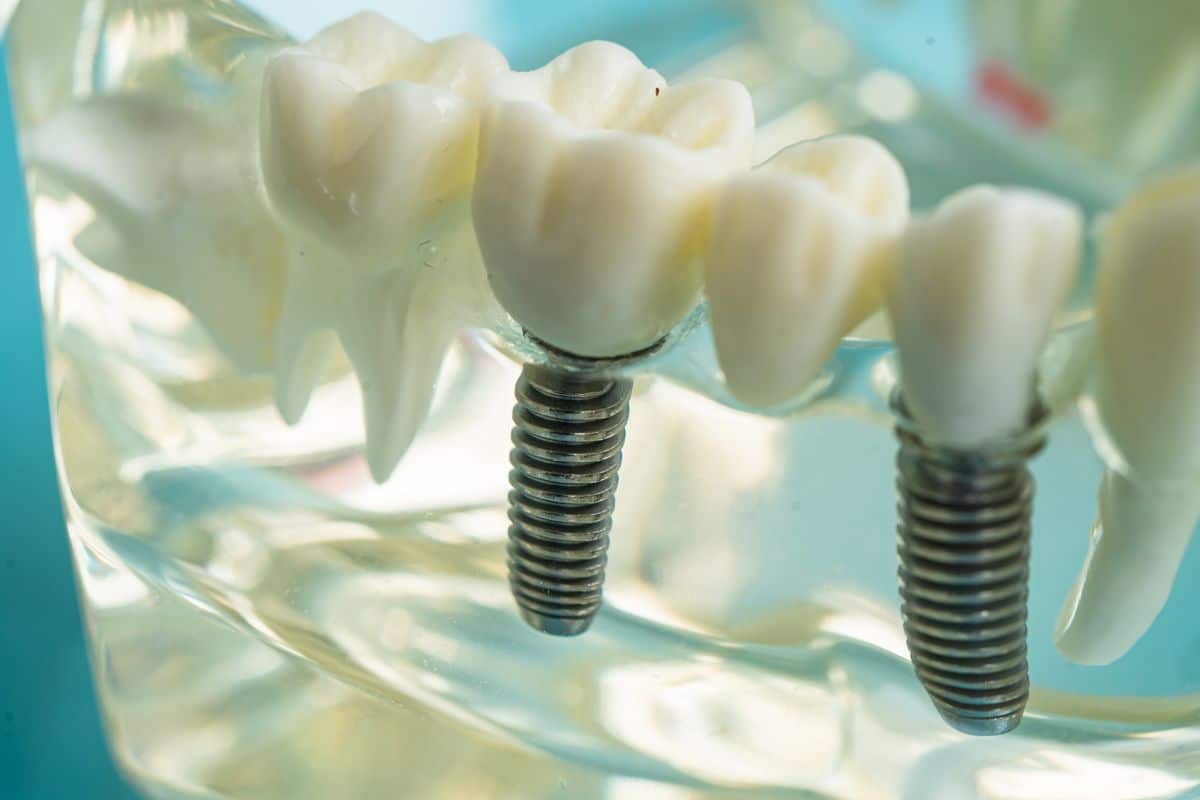
- Discuss Tooth Replacement Options: If the extracted tooth was a significant part of your smile or bite, discuss options for replacing it with your dentist. Choices may include dental implants, bridges, or dentures, depending on your specific needs and preferences.
Preventing Future Issues
- Maintain Good Oral Hygiene: Regular brushing, flossing, and routine dental check-ups are crucial for preventing future dental emergencies. Maintaining dental health can lower the chance of decay, infection, and other issues that could result in the requirement for an urgent tooth extraction.
- Address Dental Problems Early: Don’t ignore dental issues, no matter how minor they may seem. Early detection of gum disease can stop it from worsening and leading to more serious diseases that require emergency procedures.
Emergency Dentist For Tooth Extractions
Handling an emergency tooth extraction requires prompt and effective action. Recognizing when a tooth extraction is necessary, seeking help from an emergency dentist in Gallatin, TN , and following proper care instructions are crucial for managing the situation successfully. Being proactive and organized will help you navigate the emergency process with greater ease and ensure a smoother recovery. Remember, an emergency dentist is there to provide immediate care and support, so don’t hesitate to reach out when you need help.
Frequently Asked Questions
Q. What are the signs that I need an emergency tooth extraction?
A. You may need an emergency tooth extraction if you experience severe tooth pain, swelling, or an abscess (a painful infection). Other signs include a fractured tooth, difficulty chewing, or persistent bleeding. If you notice any of these symptoms, it’s essential to contact an emergency dentist immediately.
Q. What can I expect after an emergency tooth extraction?
A. After the extraction, it is normal to experience some swelling, pain, and bleeding. Your dentist will provide post-operative instructions, which often include resting, avoiding strenuous activities, and managing pain with over-the-counter medications. Following these instructions will help ensure a smooth recovery.
Q. What are the risks of delaying a tooth extraction?
A. Delaying a tooth extraction can lead to several complications, including increased pain, spread of infection, and damage to surrounding teeth and gums. In severe cases, it may result in more extensive procedures or treatments. It’s always best to address dental issues promptly to avoid these risks.
Recent Posts
Mar. 13, 2026
Recovery Tips After All-On-4 Teeth in a Day Surgery

Feb. 16, 2026
Oral vs. IV Sedation: What’s the Difference and Which Is Right for You?

Jan. 27, 2026
Daily Care Routine for Dentures: Cleaning & Storage Guide

Jan. 19, 2026
Speech & Dentures: Quick Fixes to Common Issues

Jan. 12, 2026
Top Tips for Eating Comfortably with New Dentures
Catagories
- Bad Breath (1)
- Cosmetic Dentist (2)
- Dental Bonding (1)
- Dental Checkups (6)
- Dental Crown (1)
- Dental Fillings (1)
- Dental Implants (22)
- Dental Insurance (2)
- Dental Sealant (3)
- Dental Veneers (6)
- Dentures (7)
- Emergency Dentistry (9)
- Gum Disease (2)
- Invisalign (5)
- Mouthguard (3)
- New Year (1)
- Oral Health (12)
- Periodontal Treatment (2)
- root canal (4)
- Sedation Dentistry (2)
- Sumner Dental Group (7)
- teeth whitening (8)
- Tooth Extractions (10)
- Uncategorized (0)
- Wisdom Tooth Extraction (1)