
December 1, 2023
Gum Disease
Gum disease, a pervasive oral health concern, silently affects millions worldwide, jeopardizing not only smiles but overall well-being. While routine oral care forms the cornerstone of prevention, the battle against advanced periodontal disease often necessitates a strategic alliance with antibiotics. In this comprehensive exploration, we navigate the intricate landscape of antibiotics used in gum disease treatment, unravelling their roles, nuances, and the pivotal role they play in restoring oral health.
Understanding Gum Disease
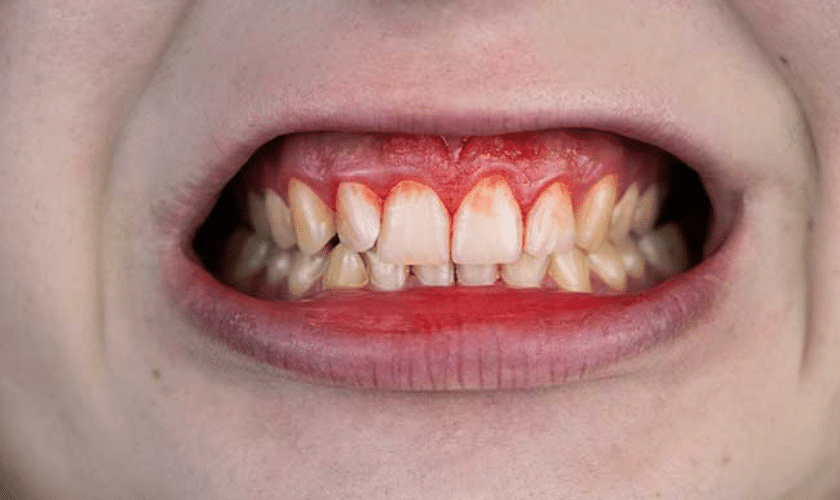
At its onset, gum disease manifests as gingivitis, marked by redness, swelling, and bleeding of the gums. This early stage is often a result of inadequate oral hygiene practices, allowing the accumulation of plaque—a sticky film of bacteria—along the gumline. Gingivitis, if left unaddressed, can progress into periodontitis, a more severe form of the disease characterized by the formation of pockets between the gums and teeth. These pockets become a breeding ground for bacteria, leading to further inflammation and, ultimately, the degradation of the supporting bone.
The insidious nature of gum disease lies in its potential to advance silently, with symptoms often unnoticed until the later stages. This delayed awareness underscores the importance of regular dental check-ups, where professionals can detect and address early signs of gum disease, providing interventions before irreversible damage occurs.
Moreover, the consequences of untreated gum disease extend beyond the oral cavity. Research suggests a link between periodontal disease and systemic conditions such as cardiovascular disease and diabetes, emphasizing the far-reaching impact of oral health on overall well-being.
The Role of Antibiotics in Gum Disease Treatment
Antibiotics, in this context, serve as strategic weapons aimed at quelling the bacterial insurgency within the periodontal pockets, fostering an environment conducive to healing. One of the hallmark features of gum disease is inflammation. Antibiotics contribute to the reduction of inflammation by curbing the bacterial load responsible for triggering the body’s immune response. This anti-inflammatory effect is crucial for alleviating discomfort, promoting tissue healing, and preventing the further degradation of the supporting bone.
Gum disease compromises the natural healing processes of the oral tissues. Antibiotics act as accelerators, hastening the restoration of gum health by eliminating bacterial impediments. Azithromycin, with its shorter treatment duration, offers a swift yet potent intervention, particularly in cases where expeditious healing is paramount. Left unchecked, gum disease can progress to advanced stages, leading to irreversible damage. Antibiotics act as barriers, impeding the progression of the disease and preventing the formation of deeper pockets between the gums and teeth. This proactive approach is vital for preserving the structural integrity of the teeth and supporting bone.
Commonly Used Antibiotics in Periodontal Treatment
The arsenal of antibiotics wielded in the battle against periodontal disease reflects a nuanced understanding of the diverse bacterial landscape within the oral cavity. Dental professionals, armed with knowledge and diagnostic acumen, strategically deploy antibiotics to target specific pathogens and mitigate the inflammatory cascades associated with gum disease. Here are some of the common antibiotics used in periodontal treatment:
Tetracycline
Tetracycline, a broad-spectrum antibiotic, exerts its influence by inhibiting bacterial protein synthesis, stalling the growth of bacteria responsible for gum infections. This versatile antibiotic comes in various forms, including oral pills and topical ointments, providing flexibility in treatment modalities. Tetracycline is often prescribed for its efficacy against a diverse range of bacteria, making it suitable for cases where the specific bacterial strain is not precisely identified.
Azithromycin
Azithromycin, belonging to the macrolide class, offers targeted precision against specific bacteria implicated in periodontal disease. What sets Azithromycin apart is its shorter treatment duration, making it an attractive option for patients requiring expedited healing without compromising effectiveness. Dental professionals may opt for Azithromycin in cases where other antibiotics prove less suitable, emphasizing the importance of personalized treatment approaches.
Ciprofloxacin
Ciprofloxacin, a potent fluoroquinolone antibiotic, stands as a formidable choice in cases of severe periodontal infections. Its versatility lies in its ability to target a broad spectrum of bacteria, making it an effective option when the specific strain is challenging to identify. While powerful, Ciprofloxacin dosage warrants caution and is often reserved for cases where other antibiotics may not suffice.
Amoxicillin
Often prescribed for short-term use, Amoxicillin may be combined with other antibiotics to broaden the spectrum of coverage. It’s a member of the penicillin family that exhibits efficacy against various bacteria associated with gum disease. Its role extends beyond standalone treatment, complementing other interventions in a comprehensive approach to periodontal care.
Clindamycin
It serves as an alternative for patients allergic to other classes of antibiotics, showcasing its importance in tailored treatment plans. By inhibiting bacterial protein synthesis, Clindamycin slows bacterial growth and aids in the resolution of periodontal infections. Dental professionals exercise discretion in prescribing Clindamycin, considering factors such as patient allergies and the presence of specific bacterial strains.
In the battle against gum disease, antibiotics play a crucial role in complementing traditional dental treatments. Tetracycline, Azithromycin, ciprofloxacin, Amoxicillin, and Clindamycin are among the antibiotics commonly prescribed by dental professionals. It’s important to note that antibiotic therapy should always be administered under the guidance of a qualified healthcare professional. Additionally, maintaining good oral hygiene practices and regular dental check-ups are key components of preventing and managing gum disease.
Looking For A Dentist In Gallatin, TN
We’re so glad you’re here, and we’d love to welcome you to Sumner Dental Group – Dentist Gallatin! Featuring preventive care from our friendly team, this exclusive offer has everything you need to get started with us and maintain lifelong oral health. We can’t wait to meet you and your smile soon!
Recent Posts

Feb. 16, 2026
Oral vs. IV Sedation: What’s the Difference and Which Is Right for You?

Jan. 27, 2026
Daily Care Routine for Dentures: Cleaning & Storage Guide
Jan. 19, 2026
Speech & Dentures: Quick Fixes to Common Issues
Jan. 12, 2026
Top Tips for Eating Comfortably with New Dentures

Jan. 05, 2026
The Ultimate Guide to Dentures: Types, Process, Benefits & Care
Catagories
- Bad Breath (1)
- Cosmetic Dentist (2)
- Dental Bonding (1)
- Dental Checkups (6)
- Dental Crown (1)
- Dental Fillings (1)
- Dental Implants (21)
- Dental Insurance (2)
- Dental Sealant (3)
- Dental Veneers (6)
- Dentures (7)
- Emergency Dentistry (9)
- Gum Disease (2)
- Invisalign (5)
- Mouthguard (3)
- New Year (1)
- Oral Health (12)
- Periodontal Treatment (2)
- root canal (4)
- Sedation Dentistry (2)
- Sumner Dental Group (7)
- teeth whitening (8)
- Tooth Extractions (10)
- Uncategorized (0)
- Wisdom Tooth Extraction (1)