

July 11, 2023
Dentures
Welcome to the world of dentures, where a brighter future awaits you. Dentures are a remarkable solution for restoring your smile, enhancing your self-confidence, and improving your overall oral health. Whether you have lost some or all of your natural teeth, dentures provide a reliable and effective way to regain the ability to speak, eat, and smile with ease.
They are custom-made to fit comfortably and seamlessly in your mouth, replicating the appearance and functionality of natural teeth. In this blog, we will delve into the world of dentures, exploring their benefits, types, and the transformative impact they can have on your life. Get ready to embrace a new chapter of dental wellness with dentures.
What are Dentures?
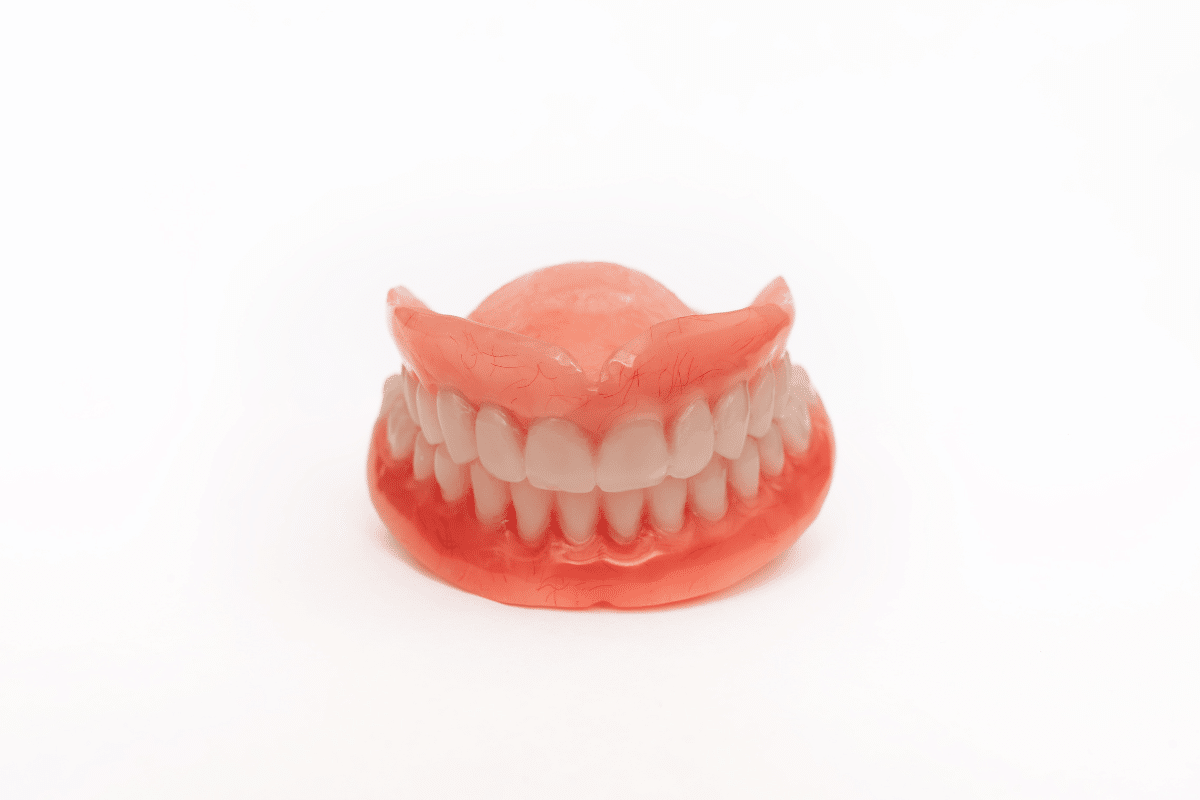
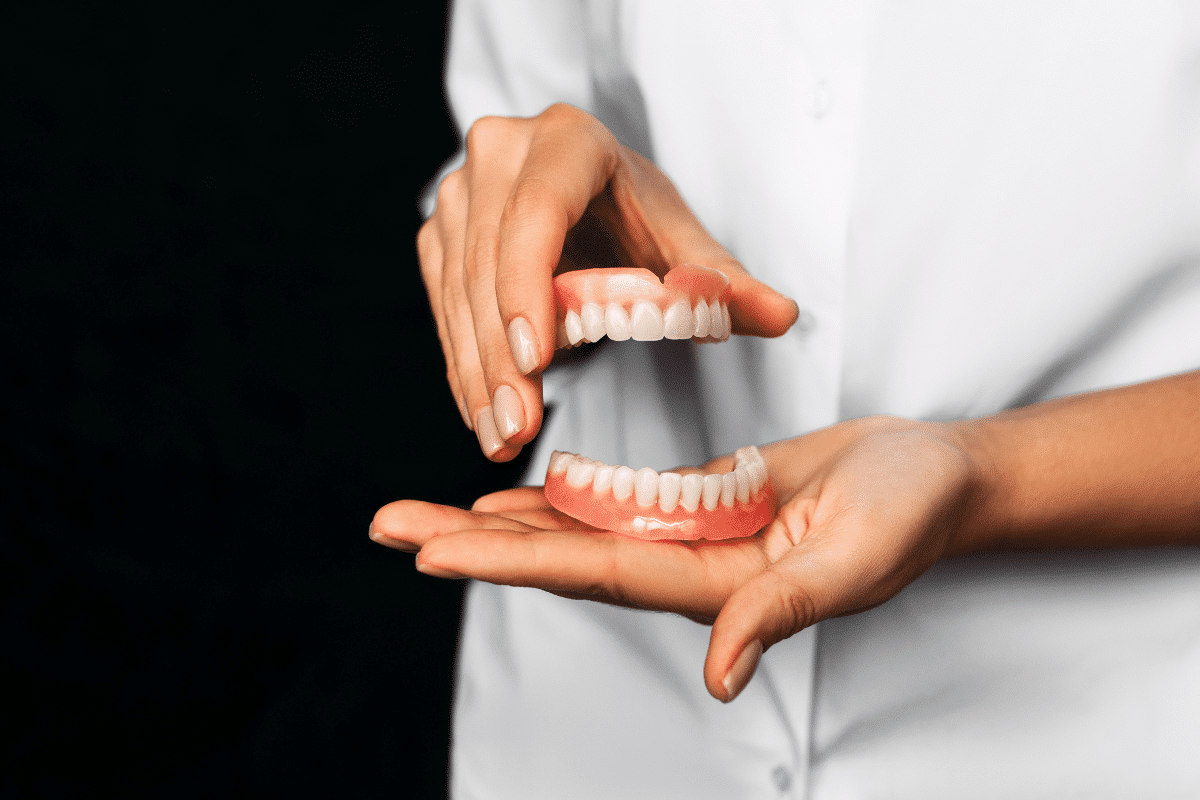
Dentures are removable dental prosthetics that are designed to replace missing teeth and surrounding tissues. They are custom-made to fit the unique shape and structure of an individual’s mouth. Dentures consist of artificial teeth set in a gum-colored acrylic base, which is supported by a metal framework or attachments.
They are created to closely resemble natural teeth, providing both aesthetic and functional benefits. Dentures can be classified into two main types: complete dentures, which are used when all teeth are missing, and partial dentures, which are used when some natural teeth are still present. Dentures not only restore the appearance of a complete smile but also enable individuals to speak, eat, and maintain their oral health with ease.
Different types of Dentures
1. Complete Dentures: These dentures are used when all the natural teeth in the upper or lower jaw are missing. They are crafted to replace an entire arch of teeth, providing a complete set of functional and natural-looking prosthetic teeth.
2. Partial Dentures: Partial dentures are used when some natural teeth remain in the jaw. They consist of artificial teeth attached to a metal or acrylic framework that clasps onto the existing teeth, filling the gaps and restoring the aesthetics and functionality of your smile.
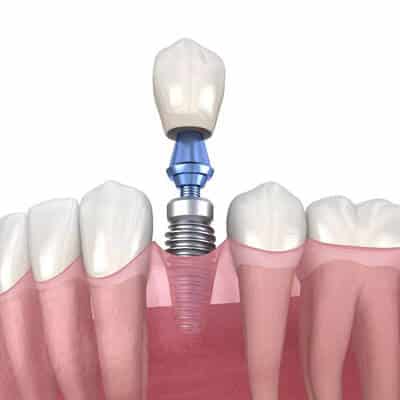
3. Implant-Supported Dentures: These dentures are secured in place with the help of dental implants, which are surgically placed into the jawbone. Implant-supported dentures offer increased stability and a more natural feel, allowing for improved biting and chewing capabilities.
Procedure For Getting Dentures
1. Comprehensive Examination: Your dentist will conduct a thorough examination of your oral health, taking impressions and measurements to create custom dentures that fit your mouth perfectly.
2. Denture Design and Fabrication: Using the impressions and measurements, the dental laboratory will design and fabricate your custom dentures. This process involves selecting the shape, size, and color of the prosthetic teeth to achieve a natural-looking and harmonious smile.
3. Fitting and Adjustments: Once your custom dentures are ready, your dentist will ensure they fit properly and make any necessary adjustments to achieve optimal comfort and functionality. This may involve minor modifications to the dentures or the placement of additional clasps for partial dentures.
4. Instructions and Care: Your dentist will provide you with instructions on how to care for your dentures, including proper cleaning techniques and maintenance. It’s important to follow these instructions to prolong the lifespan of your dentures and maintain good oral hygiene.
Upsides of Dentures
1. Enhanced Appearance: Custom dentures are designed to match your natural teeth and facial features, providing a natural-looking smile that boosts your self-esteem.
2. Restored Functionality: Dentures allow you to eat a wide variety of foods, speak clearly, and smile with confidence, improving your overall quality of life.
3. Improved Oral Health: Dentures help support the structure of your jaw and prevent the shifting of remaining teeth, reducing the risk of further dental issues.
4. Personalized Fit: Custom dentures are tailored to your mouth, ensuring a comfortable and secure fit that minimizes discomfort and pain.
Candidacy For Dentures
1. Multiple missing teeth: Dentures are suitable for individuals who have several missing teeth, whether in the upper or lower jaw. They can provide a comprehensive solution for restoring the functionality and aesthetics of the mouth.
2. Gum and bone health: Candidates for dentures should have healthy gums and sufficient bone structure to support the denture. This will ensure proper fit, stability, and comfort.
3. Inability to wear dental implants: For individuals who are not suitable candidates for dental implants, such as those with inadequate bone density or certain medical conditions, dentures can be a viable alternative.
4. Desire for a non-invasive option: Dentures are a non-surgical option for tooth replacement, making them a suitable choice for those who prefer to avoid oral surgery procedures.
It’s important to consult with a dental professional to determine the best course of treatment and whether dentures are the right option for your specific oral health needs.
Maintaining Your Restored Smile
1. Cleaning: Dentures should be cleaned daily to remove food particles, plaque, and bacteria. Use a soft-bristle toothbrush or denture brush along with mild denture cleaner ornon-abrasive toothpaste to gently brush all surfaces of the dentures.
2. Soaking: Dentures should be soaked in a denture cleaning solution or plain water overnight to keep them moist and prevent warping. Follow the manufacturer’s instructions for soaking time and proper solution usage.
3. Handling with care: When handling dentures, it’s important to be gentle to avoid dropping or damaging them. Place a towel or basin of water in the sink when cleaning dentures to cushion them in case they are accidentally dropped.
4. Regular dental check-ups: Even with dentures, it’s crucial to maintain regular dental check-ups. Your dentist will examine your dentures for any signs of wear, adjust them if necessary, and assess your oral health to ensure the dentures are fitting properly and not causing any issues.
By following these care instructions and seeking regular dental check-ups, you can help ensure the longevity and proper functioning of your dentures.
In conclusion, Dentures offer a practical and effective solution for individuals who have lost their natural teeth. With proper care and maintenance, dentures can provide a new lease on life, restoring confidence and functionality to the smile. Whether partial or full dentures, working closely with a dentist ensures a comfortable fit and long-term satisfaction with this transformative dental prosthetic.
FAQs
1. Can anyone get dentures?
Dentures are suitable for individuals who have lost some or all of their natural teeth. However, a dentist will assess your oral health and determine if dentures are the right option for you. Factors such as bone density, gum health, and overall oral hygiene are considered in the candidacy evaluation.
2. How long do dentures last?
The lifespan of dentures can vary depending on factors such as care, oral health, and wear and tear. On average, dentures can last between 5 to 10 years. However, over time, changes in the mouth’s structure may require adjustments or a replacement of the dentures to ensure a proper fit and function.
3. How should I adjust to wearing dentures?
It is common to experience an adjustment period when first wearing dentures. Initially, you may feel some discomfort, soreness, or difficulty speaking and eating. However, with time and practice, these challenges usually subside. Follow your dentist’s instructions for wearing and caring for your dentures, and be patient as your mouth adapts to the new appliance. If you experience persistent issues, consult your dentist for guidance and adjustments.
Recent Posts
Feb. 16, 2026
Oral vs. IV Sedation: What’s the Difference and Which Is Right for You?
Jan. 27, 2026
Daily Care Routine for Dentures: Cleaning & Storage Guide
Jan. 19, 2026
Speech & Dentures: Quick Fixes to Common Issues
Jan. 12, 2026
Top Tips for Eating Comfortably with New Dentures
Jan. 05, 2026
The Ultimate Guide to Dentures: Types, Process, Benefits & Care
Catagories
- Bad Breath (1)
- Cosmetic Dentist (2)
- Dental Bonding (1)
- Dental Checkups (6)
- Dental Crown (1)
- Dental Fillings (1)
- Dental Implants (21)
- Dental Insurance (2)
- Dental Sealant (3)
- Dental Veneers (6)
- Dentures (7)
- Emergency Dentistry (9)
- Gum Disease (2)
- Invisalign (5)
- Mouthguard (3)
- New Year (1)
- Oral Health (12)
- Periodontal Treatment (2)
- root canal (4)
- Sedation Dentistry (2)
- Sumner Dental Group (7)
- teeth whitening (8)
- Tooth Extractions (10)
- Uncategorized (0)
- Wisdom Tooth Extraction (1)