
September 28, 2023
Dental Implants
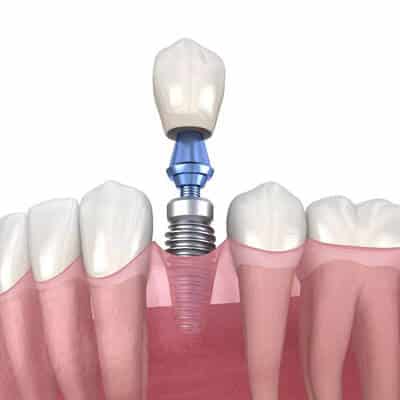
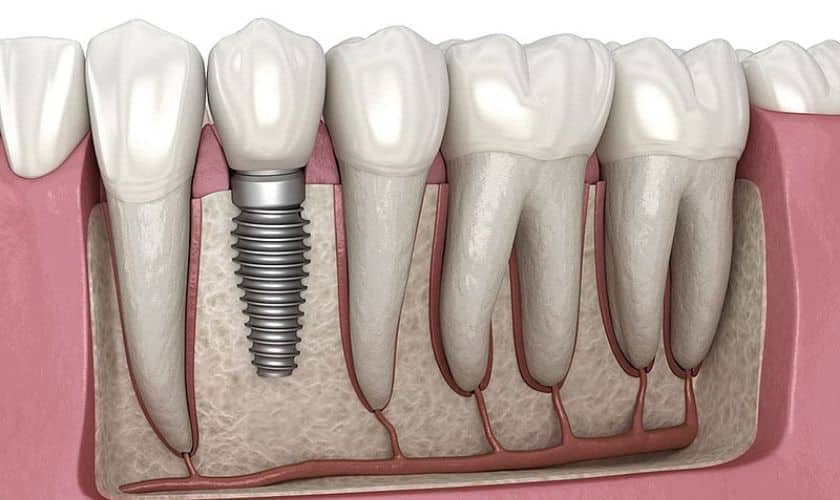
Embarking on the journey to restore your smile with dental implants is a significant decision. As a revolutionary solution, dental implants offer a lifelike replacement for missing teeth, providing functional and aesthetic benefits. However, like any medical procedure, dental implantation has potential challenges. Understanding the early and late problems associated with dental implants is crucial for anyone considering or undergoing the procedure. In this guide, we’ll delve into the intricacies of dental implants, exploring common issues that may arise in the early and late stages of the implant journey.
Early Dental Implant Problems
Infection And Inflammation
In the early stages of post-implantation, infection and inflammation can occur. This may result from poor oral hygiene or an individual’s predisposition to infections. Dentists emphasize the importance of meticulous care during the initial healing phase to minimize the risk of infection.
Implant Failure
Though rare, implant failure can happen early on. This may be due to inadequate bone integration or a surgical complication. Regular follow-ups with the dental professional are crucial during the early stages to promptly identify and address any signs of implant instability.
Pain And Discomfort
Some level of pain and discomfort is expected after the implant procedure. However, persistent or severe pain may indicate an underlying issue. Communicating openly with the dental team is essential to manage pain effectively and ensure a smooth recovery.
Osseointegration Challenges
Successful osseointegration, the process where the implant fuses with the jawbone, is critical for the implant’s stability. Challenges in osseointegration can lead to implant mobility or failure. Factors such as smoking, certain medications, or systemic health issues can affect this process.
Late Dental Implant Problems
Peri-Implantitis
A significant concern in the later stages is peri-implantitis; peri-implantitis is an inflammatory condition affecting the tissues around the implant. It can lead to bone loss and, if left untreated, may jeopardize the implant’s long-term viability. Regular dental check-ups and thorough oral hygiene practices are vital for preventing and managing peri-implantitis.
Prosthetic Complications
The prosthetic components of the dental implant, such as crowns or bridges, can face issues over time. It includes wear and tear, chipping, or even detachment. Routine dental visits for professional cleaning and examination can detect and address these problems before they become severe.
Bone Resorption
Over the years, natural bone resorption can occur, affecting the implant’s stability. Monitoring bone density and structure through regular dental imaging is essential to identify any signs of resorption and take proactive measures to maintain implant integrity.
Aesthetic Concerns
While dental implants are designed to replicate natural teeth, changes in gum shape or color over time can affect the aesthetic outcome. Cosmetic adjustments or enhancements may be necessary to maintain the desired appearance, emphasizing the importance of a comprehensive approach to dental implant care.
Tips To Maintain Dental Implant Problems
Maintaining the health and longevity of dental implants is crucial for ensuring a confident and functional smile. Here are some essential tips to help you prevent and address potential dental implant problems:
Follow Post-Operative Care Instructions
Your dentist will provide specific post-operative care instructions after the implant procedure. Follow these instructions diligently, including guidelines on oral hygiene, medication, and dietary restrictions.
Adopt A Rigorous Oral Hygiene Routine
Brush your teeth at least twice daily using a soft-bristle and non-abrasive toothpaste. Pay extra attention to the areas around the dental implants, ensuring that you clean thoroughly.
Use An Antimicrobial Mouthwash
Incorporate an antimicrobial or antibacterial mouthwash into your daily oral care routine. This can help reduce the risk of infection and inflammation around the implant.
Attend Regular Dental Check-Ups
Schedule regular dental check-ups and cleanings with your dentist. These appointments allow for professional cleaning, monitoring of the health of your implants, and early detection of any potential issues.
Protect Against Teeth Grinding (Bruxism)
If you have a habit of grinding your teeth, discuss this with your dentist. Grinding can exert excessive force on implants and lead to complications. A custom-made night guard may be recommended to protect your teeTh And Implants.
Maintain Overall Health
Your general health plays a role in the success of dental implants. Conditions such as diabetes or immune disorders can impact healing. Inform your dentist about any changes in your health status.
By understanding the potential challenges early and late in the process, individuals can actively participate in their oral health journey. Regular communication with dental professionals, adherence to post-operative care instructions, and routine check-ups are key elements for a successful and enduring dental implant experience. Remember, the path to a radiant smile involves the initial procedure and ongoing commitment to oral health and regular dental care.
Recent Posts
Feb. 16, 2026
Oral vs. IV Sedation: What’s the Difference and Which Is Right for You?
Jan. 27, 2026
Daily Care Routine for Dentures: Cleaning & Storage Guide
Jan. 19, 2026
Speech & Dentures: Quick Fixes to Common Issues
Jan. 12, 2026
Top Tips for Eating Comfortably with New Dentures
Jan. 05, 2026
The Ultimate Guide to Dentures: Types, Process, Benefits & Care
Catagories
- Bad Breath (1)
- Cosmetic Dentist (2)
- Dental Bonding (1)
- Dental Checkups (6)
- Dental Crown (1)
- Dental Fillings (1)
- Dental Implants (21)
- Dental Insurance (2)
- Dental Sealant (3)
- Dental Veneers (6)
- Dentures (7)
- Emergency Dentistry (9)
- Gum Disease (2)
- Invisalign (5)
- Mouthguard (3)
- New Year (1)
- Oral Health (12)
- Periodontal Treatment (2)
- root canal (4)
- Sedation Dentistry (2)
- Sumner Dental Group (7)
- teeth whitening (8)
- Tooth Extractions (10)
- Uncategorized (0)
- Wisdom Tooth Extraction (1)