
April 3, 2023
Emergency Dentistry
Prompt and specialized care is crucial in unexpected dental emergencies to alleviate pain, prevent further complications, and preserve oral health. There is no alternative to emergency services when addressing dental issues that require undivided attention from a dental professional.
This blog aims to shed light on the significance of emergency dental care and how to know it’s time to see the dentist. It also covers some effective ways to find an emergency dentist to provide prompt treatment.
By understanding the importance of seeking immediate assistance and being aware of available services, individuals can protect their oral well-being and maintain a healthy smile even during unforeseen dental emergencies.
What Do You Mean by Emergency Dental Care?
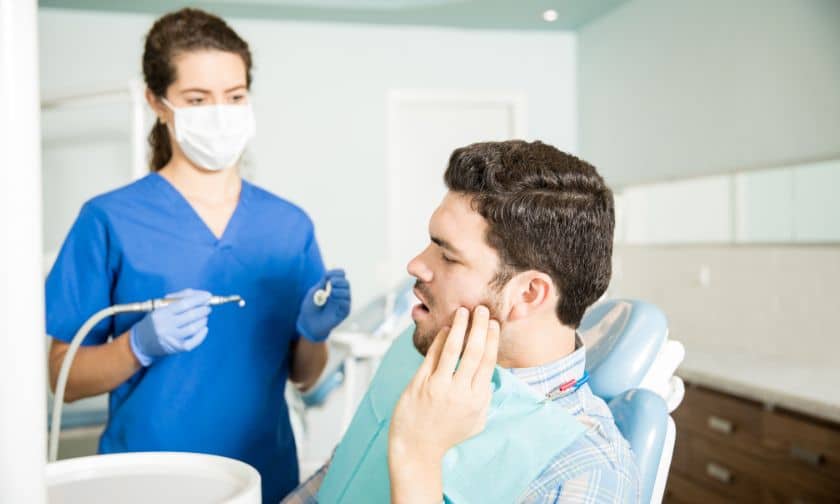
Urgent dental care is an immediate and specialized dental treatment for individuals facing urgent oral health issues. Dental emergencies can include severe toothaches, infections, broken or knocked-out teeth, excessive bleeding, or damage to orthodontic appliances. Emergency dental care ensures that individuals receive timely interventions, often outside regular office hours, to address urgent oral health problems.
You need trained emergency dentists to handle critical situations and provide effective treatment to restore dental function and prevent long-term consequences.
Signs You Need Immediate Dental Care
When faced with dental emergencies, it is essential to recognize the signs that warrant immediate dental care. By understanding these signs, individuals can identify when they need emergency dental solutions.
Here are some signs that indicate you may need urgent oral care:
- Severe toothache accompanied by persistent and intense pain
- Swelling in the gums, face, or jaw, indicating an abscess or infection
- Excessive bleeding from the mouth, particularly if it doesn’t subside
- Trauma or injury resulting in a broken or knocked-out tooth
- Loose or dislodged permanent tooth.
- Severe sensitivity to hot or cold temperatures, indicating potential nerve damage
- Difficulty swallowing due to swelling or pain in the oral cavity
- Pus or discharge around the gums or teeth
- Sudden and unexplained changes in bite alignment or jaw functionality
- Damaged or broken orthodontic appliances, such as braces or wires
Remember, if you experience any of these signs, it is crucial to seek immediate dental care to prevent further complications and alleviate pain. Contact your emergency dentist or dental clinic promptly for professional assistance.
What Happens When You Visit an Emergency Dentist?
Many dental practices have dedicated emergency lines and can guide over the phone. In cases of severe pain, over-the-counter pain relievers or cold compresses can provide temporary relief until professional help is available. It is crucial to avoid self-medication or using sharp objects to alleviate pain, as these measures can worsen the situation. Individuals can manage the situation more effectively by taking swift action and following expert advice before receiving comprehensive emergency dental care.
When you visit an emergency dentist, they will quickly assess your dental emergency and provide immediate care. The dentist will examine your condition, take X-rays if necessary, and develop a treatment plan tailored to your needs. They may perform procedures such as tooth extraction and temporary repairs or prescribe antibiotics to address infections. The goal is to alleviate pain, control bleeding, and stabilize your dental condition. Emergency dentists are equipped to handle urgent situations, providing efficient and specialized care to ensure your oral health is restored as quickly as possible.
Where to Find a Reliable Emergency Dental Care Provider?
Here are some tips to help you find an excellent urgent dental care provider:
Research in advance: Research emergency dental offices in your area before an emergency occurs. Look for clinics or dentists offering emergency services or extended hours.
Ask for recommendations: Seek recommendations from family, friends, or healthcare professionals who may have had positive experiences with emergency dental care providers.
Check online reviews: Read online reviews and ratings of emergency dentists to understand their reputation, patient satisfaction, and quality of care.
Accessibility and availability: Look for a dental clinic that is conveniently located and offers flexible appointment options, including weekends and evenings.
Emergency protocols: Inquire about the clinic’s emergency protocols and how they handle urgent cases. Ask about their response time and the availability of necessary equipment and resources.
Following these tips can increase your chances of finding a reputable and trustworthy immediate dental care provider.
Therefore, urgent care is critical to maintaining oral health and dealing with dental emergencies. By recognizing dental emergencies and accessing available services, individuals can ensure timely support to avoid complications. Besides, prompt action and professional assistance are paramount in preserving oral well-being and safeguarding the longevity of teeth and gums.
By staying informed and prepared, individuals can confidently navigate dental emergencies, knowing that reliable care is readily available. Moreover, prioritizing emergency dental care empowers you to protect your oral health proactively, even in unexpected, challenging situations.
Recent Posts
Mar. 13, 2026
Recovery Tips After All-On-4 Teeth in a Day Surgery
Feb. 16, 2026
Oral vs. IV Sedation: What’s the Difference and Which Is Right for You?
Jan. 27, 2026
Daily Care Routine for Dentures: Cleaning & Storage Guide
Jan. 19, 2026
Speech & Dentures: Quick Fixes to Common Issues
Jan. 12, 2026
Top Tips for Eating Comfortably with New Dentures
Catagories
- Bad Breath (1)
- Cosmetic Dentist (2)
- Dental Bonding (1)
- Dental Checkups (6)
- Dental Crown (1)
- Dental Fillings (1)
- Dental Implants (22)
- Dental Insurance (2)
- Dental Sealant (3)
- Dental Veneers (6)
- Dentures (7)
- Emergency Dentistry (9)
- Gum Disease (2)
- Invisalign (5)
- Mouthguard (3)
- New Year (1)
- Oral Health (12)
- Periodontal Treatment (2)
- root canal (4)
- Sedation Dentistry (2)
- Sumner Dental Group (7)
- teeth whitening (8)
- Tooth Extractions (10)
- Uncategorized (0)
- Wisdom Tooth Extraction (1)