
April 11, 2023
Tooth Extractions
Tooth removal or extraction is a common dental procedure involving removing a tooth from its socket in the jawbone. While having a tooth pulled might evoke apprehension, understanding the procedure and post-extraction care can alleviate concerns and promote a smooth recovery.
In this blog, we will explore the art of tooth extractions, providing insights into why they are necessary, what the procedure entails, and how to take care of your mouth afterward. By the end, you will have a comprehensive understanding of this dental process and the steps you can take for a successful recovery.
What Are Tooth Extractions?
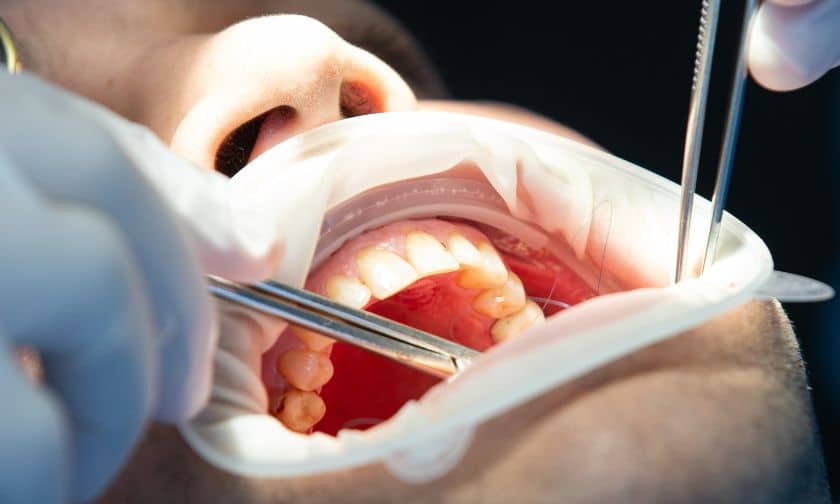
Teeth removal plays a vital role in maintaining overall oral health. Sometimes, removing severely damaged or decayed teeth can minimize the risk of infection and further complications. Moreover, extracting impacted wisdom teeth can prevent pain, infections, and potential damage to neighboring teeth. Tooth extractions are typically performed under local anesthesia, ensuring minimal discomfort during the procedure. Your dentist or oral surgeon will discuss the specifics of the extraction process and address any concerns you may have.
Source: Now Trending
When Do Your Dentist Might Recommend a Tooth Extraction?
There are several reasons why tooth removal may be necessary:
Severe Tooth Decay or Damage: Extraction may be the best solution to prevent further oral health issues when a tooth is extensively decayed or damaged beyond repair.
Impacted Wisdom Teeth: Wisdom teeth, also known as third molars, often don’t have enough space for emerging or developing correctly. So, closely spaced wisdom teeth can cause pain, infection, and alignment problems, necessitating extraction.
Orthodontic Treatment: Sometimes, extractions are part of orthodontic treatment plans to address overcrowding and facilitate proper teeth alignment.
Gum Disease: Advanced stages of gum disease can result in loose teeth that require extraction to preserve the health of surrounding teeth and gums.
What Happens During a Tooth Extraction Procedure?
Before the extractions, dentists usually conduct thorough examinations, including X-rays, to evaluate the teeth’s positions and determine the best approaches for removals. Then, depending on the tooth’s condition and complexity, your dentist may refer you to an oral surgeon.
During the procedure, the area surrounding the tooth will be numbed with a local anaesthetic to ensure you don’t feel any pain. Sometimes, sedation dentistry may help you relax during the extraction. Once the anaesthesia takes effect, the dentist or oral surgeon will gently loosen the tooth using specialized tools. They will then carefully remove the tooth from its socket. However, the tooth may need to be extracted in sections in more complex cases.
Following the extraction, your dentist may place stitches to promote proper healing. In addition, they will provide detailed instructions on post-extraction care to ensure a smooth recovery.
Post-Extraction Care: Tips for a Smooth Recovery
Follow these post-care tips to promote healing and minimize the risk of complications:
Bite on a Gauze Pad: Your dentist may advise you to bite on a clean gauze pad over the extraction site to control bleeding. Replace the gauze as needed and continue this process until the bleeding stops.
Take Pain Medication as Prescribed: Rely on over-the-counter pain relievers or medication to manage discomfort or pain. Contact your dentist if the pain persists or worsens.
Apply Ice Packs: Applying an ice pack to the outside of your cheek
after tooth extraction can help reduce swelling and alleviate discomfort. Keep it for 10-15 minutes at a time.
Maintain Oral Hygiene: Avoid the extraction site while brushing and maintain good oral hygiene. Be cautious around the extraction site to avoid disturbing the blood clot.
Avoid Sucking or Rinsing: Refrain from using a straw, spitting forcefully, or rinsing your mouth vigorously for at least 24 hours after the extraction. These actions can dislodge the blood clot and impede the healing process.
Eat Soft Foods: Stick to a soft-food diet like yoghurt, mashed potatoes, soup, and smoothies. Avoid hard, chewy, or sticky foods irritating the extraction site.
Avoid Smoking and Alcohol: Refrain from smoking and consuming alcohol for at least 72 hours after the extraction. These substances can interfere with the healing process and increase the risk of complications.
Furthermore, attend all follow-up appointments with your dentist to address any concerns.
Tooth extractions are dental procedures necessary to maintain oral health and prevent unforeseen complications. Understanding the importance of teeth removal, familiarizing yourself with the procedure, and following post-extraction care instructions can ensure a smooth recovery and optimal oral health in the long run.
Consult a dentist or oral surgeon for personalized advice and guidance throughout the extraction process. With the proper knowledge and care, extractions can be successfully navigated, leading to a healthier and happier smile.
Recent Posts
Feb. 16, 2026
Oral vs. IV Sedation: What’s the Difference and Which Is Right for You?
Jan. 27, 2026
Daily Care Routine for Dentures: Cleaning & Storage Guide
Jan. 19, 2026
Speech & Dentures: Quick Fixes to Common Issues
Jan. 12, 2026
Top Tips for Eating Comfortably with New Dentures
Jan. 05, 2026
The Ultimate Guide to Dentures: Types, Process, Benefits & Care
Catagories
- Bad Breath (1)
- Cosmetic Dentist (2)
- Dental Bonding (1)
- Dental Checkups (6)
- Dental Crown (1)
- Dental Fillings (1)
- Dental Implants (21)
- Dental Insurance (2)
- Dental Sealant (3)
- Dental Veneers (6)
- Dentures (7)
- Emergency Dentistry (9)
- Gum Disease (2)
- Invisalign (5)
- Mouthguard (3)
- New Year (1)
- Oral Health (12)
- Periodontal Treatment (2)
- root canal (4)
- Sedation Dentistry (2)
- Sumner Dental Group (7)
- teeth whitening (8)
- Tooth Extractions (10)
- Uncategorized (0)
- Wisdom Tooth Extraction (1)