
March 7, 2025
Dental Implants
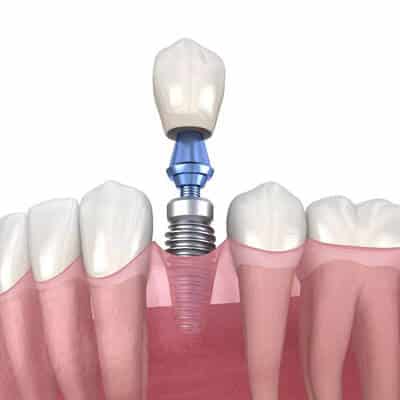
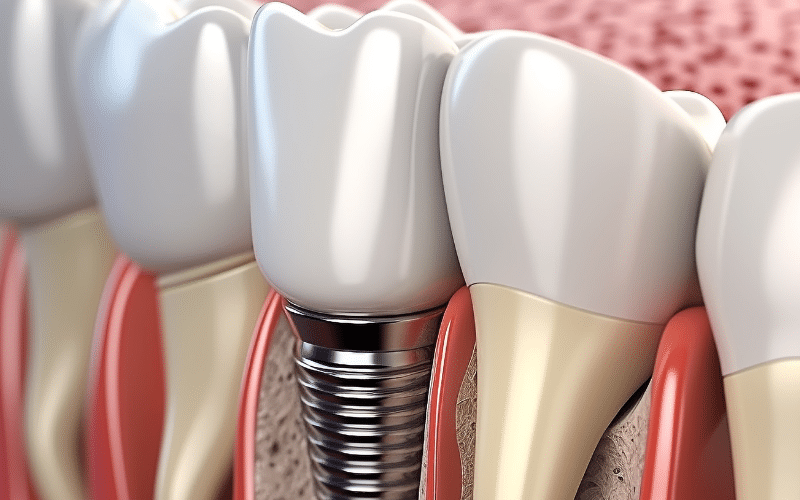
For missing teeth, dental implants are a dependable and durable choice. They can get infected just like real teeth, though. Peri-implantitis, another name for an infected dental implant, can cause pain, bone loss, and possibly implant failure if treatment is not received. Maintaining a healthy smile requires knowing how dental implants get infected and how to avoid it. So, here’s a blog to explain these points.
What Leads To Infections from Dental Implants?
An infection from dental implants in Gallatin can be caused by a number of things. Among the most frequent reasons are:
- Bacteria can grow around implants due to inadequate brushing and flossing, which can result in infection.
- You are more likely to get infected if you have gum disease before receiving an implant.
- Smoking slows healing and raises the risk of infection by limiting blood supply to the gums.
- Uncontrolled diabetes impairs immunity and makes it more difficult to combat infections.
- An implant that is not properly fitted may have spaces where germs can grow, raising the risk of infection.
- Grinding can put implants under too much pressure, which can lead to inflammation and increase their vulnerability to infection.
How Often Do Infections Occur With Dental Implants?
Over time, peri-implantitis affects between 10–20% of patients, despite the 95% success rate of dental implants. For long-term implant health, hygiene and routine examinations are crucial because neglecting proper dental care increases the risk.
How To Prevent Dental Implant Infections?
The good news? Most dental implant infections are preventable with good oral hygiene and healthy habits. Here’s how:
- Brush & Floss Daily – Use a soft-bristle toothbrush and non-abrasive toothpaste to clean around the implant. Floss or use interdental brushes to remove plaque.
- Use an Antibacterial Mouthwash – Rinsing with an alcohol-free antibacterial mouthwash helps reduce bacteria buildup.
- Visit Dentist Regularly – Routine dental check-ups allow early detection of issues before they become severe.
- Quit Smoking – If you smoke, quitting can significantly lower your risk of implant infection.
- Control Underlying Health Conditions – Manage diabetes or other systemic conditions to keep your immune system strong.
- Wear a Nightguard if You Grind Your Teeth – Protect your implant from excessive force that can lead to inflammation and infection.
Treatment Options for an Infected Dental Implant
If your dental implant gets infected, prompt treatment is necessary. Treatment options may include:
- Deep Cleaning (Scaling & Root Planing): Removing plaque and bacteria buildup around the implant.
- Antibiotics: Oral or topical antibiotics can help fight bacterial infections.
- Surgical Cleaning: In severe cases, surgical intervention may be needed to remove infected tissue.
- Implant Removal: If the infection is too advanced, the implant may need to be removed and replaced later.
A dental implant infection can be serious, but with proper care, it is highly preventable. Good oral hygiene, regular dental visits, and healthy habits play a vital role in ensuring your implant stays infection-free for years to come. If you suspect an infection, don’t ignore the warning signs—seek our dentist professional help immediately.
Recent Posts
Mar. 13, 2026
Recovery Tips After All-On-4 Teeth in a Day Surgery
Feb. 16, 2026
Oral vs. IV Sedation: What’s the Difference and Which Is Right for You?
Jan. 27, 2026
Daily Care Routine for Dentures: Cleaning & Storage Guide
Jan. 19, 2026
Speech & Dentures: Quick Fixes to Common Issues
Jan. 12, 2026
Top Tips for Eating Comfortably with New Dentures
Catagories
- Bad Breath (1)
- Cosmetic Dentist (2)
- Dental Bonding (1)
- Dental Checkups (6)
- Dental Crown (1)
- Dental Fillings (1)
- Dental Implants (22)
- Dental Insurance (2)
- Dental Sealant (3)
- Dental Veneers (6)
- Dentures (7)
- Emergency Dentistry (9)
- Gum Disease (2)
- Invisalign (5)
- Mouthguard (3)
- New Year (1)
- Oral Health (12)
- Periodontal Treatment (2)
- root canal (4)
- Sedation Dentistry (2)
- Sumner Dental Group (7)
- teeth whitening (8)
- Tooth Extractions (10)
- Uncategorized (0)
- Wisdom Tooth Extraction (1)