
July 27, 2024
Dental Implants
Dental implants have revolutionized the field of restorative dentistry, offering a durable and aesthetically pleasing solution to missing teeth. However, as with any surgical procedure, the recovery process is crucial for ensuring optimal results and long-term success. One common question among patients is, “How many days should you rest after getting a dental implant?” This blog post will explore the factors influencing recovery time, offer guidelines for post-operative care, and provide tips for a smooth and successful recovery.
Understanding the Dental Implant Procedure
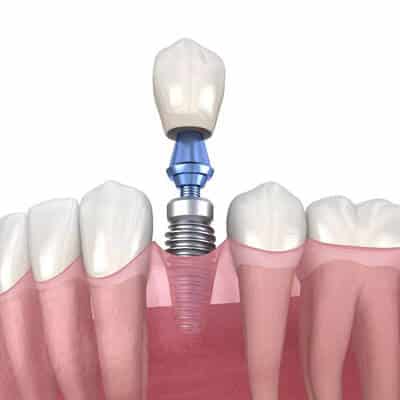
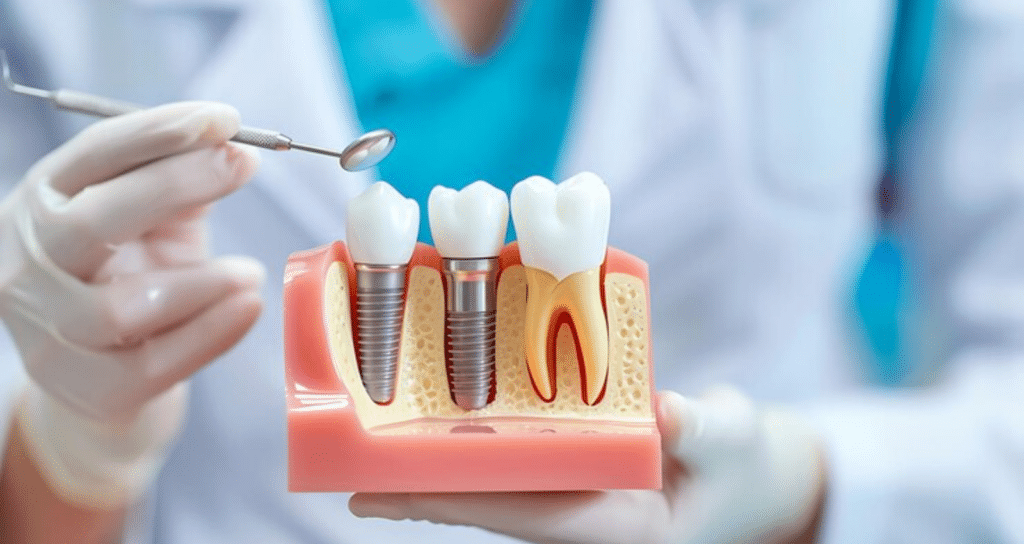
Before delving into the recovery period, it is important to understand what the dental implant procedure entails. A dental implant is a titanium post that is surgically inserted into the jawbone to replace the root of a missing tooth. Once the implant is placed, a period of osseointegration occurs, during which the bone grows around the implant, securing it in place. This process can take several months. After osseointegration, an abutment is attached to the implant, and a crown is placed on top to restore the tooth’s function and appearance.
Factors Influencing Recovery Time
The recovery time after a dental implant procedure can vary significantly depending on several factors:
- Individual Health: A patient’s overall health, including their immune system and any underlying medical conditions, can impact the healing process.
- Bone Quality and Quantity: Patients with sufficient bone density typically experience a smoother recovery. Those requiring bone grafts may have a longer healing period.
- Surgical Technique: The complexity of the surgery and the skill of the dental surgeon play a significant role in recovery time.
- Number of Implants: Patients receiving multiple implants or full-mouth restorations may require a longer recovery period compared to those receiving a single implant.
- Post-Operative Care: Adhering to post-operative instructions and maintaining good oral hygiene can accelerate the healing process.
Immediate Post-Operative Period
The immediate post-operative period is critical for ensuring the implant site heals properly. Here’s what you can expect and how you should care for yourself during this time:
First 24-48 Hours
- Rest: It is crucial to rest and avoid strenuous activities during the first 24 to 48 hours after surgery. Physical exertion can increase blood flow to the surgical site, potentially causing bleeding and swelling.
- Ice Packs: Applying ice packs to the outside of your face can help reduce swelling and discomfort. Use ice packs intermittently (20 minutes on, 20 minutes off) for the first 24 hours.
- Medication: Take any prescribed pain medication and antibiotics as directed by your dentist. Over-the-counter pain relievers such as ibuprofen can also help manage discomfort and inflammation.
- Diet: Stick to a soft diet to avoid putting pressure on the implant site. Foods such as yogurt, applesauce, mashed potatoes, and smoothies are good options. Avoid hot, spicy, or crunchy foods that can irritate the surgical site.
Days 3-7
- Continue Resting: While you can gradually resume light activities, it is important to continue resting and avoid strenuous exercise or heavy lifting for at least a week.
- Oral Hygiene: Maintain oral hygiene by gently rinsing your mouth with a saline solution or an antiseptic mouthwash as recommended by your dentist. Avoid brushing the surgical site directly for the first few days.
- Follow-Up Appointment: Attend your follow-up appointment as scheduled. Your dentist will check the implant site to ensure it is healing properly and address any concerns you may have.
Long-Term Recovery and Osseointegration
The long-term recovery phase focuses on osseointegration, where the implant fuses with the jawbone. This process is crucial for the stability and success of the dental implant.
Weeks 2-6
- Gradual Increase in Activity: You can gradually return to normal activities but avoid any high-impact exercises or activities that could jar your jaw or cause trauma to the implant site.
- Dietary Adjustments: Continue to eat a balanced diet with soft foods and gradually reintroduce firmer foods as comfort allows. Avoid chewing directly on the implant site until your dentist gives you the go-ahead.
Months 2-6
- Bone Healing: During this period, the bone will continue to heal and integrate with the implant. Follow your dentist’s instructions closely, attend all follow-up appointments, and report any unusual symptoms, such as pain, swelling, or infection, immediately.
- Oral Hygiene: Maintain excellent oral hygiene practices, including regular brushing and flossing. Use any recommended special brushes or floss to clean around the implant and prevent plaque buildup.
Signs of Complications
While most dental implant procedures are successful, complications can occasionally arise. It is important to be aware of the signs of potential issues and seek prompt medical attention if necessary:
- Prolonged Pain: Some discomfort is normal, but if you experience severe or persistent pain beyond the first few days, it could indicate an issue with the implant site.
- Excessive Swelling or Bleeding: Swelling and minor bleeding are common immediately after surgery, but excessive swelling or prolonged bleeding should be reported to your dentist.
- Infection: Signs of infection include redness, warmth, pus, and a foul taste or odor in your mouth. If you suspect an infection, contact your dentist immediately.
- Implant Movement: If you notice that the implant feels loose or moves when you touch it with your tongue, this could indicate a failure of osseointegration or other issues that need to be addressed.
Tips for a Smooth Recovery
To ensure a smooth and successful recovery after your dental implant procedure, consider the following tips:
- Follow Post-Operative Instructions: Adhere to all post-operative care instructions provided by your dentist. These guidelines are designed to promote healing and prevent complications.
- Stay Hydrated: Drink plenty of water to stay hydrated and support the healing process.
- Avoid Smoking and Alcohol: Smoking and alcohol can impair healing and increase the risk of complications. Avoid these substances during the recovery period.
- Eat Nutritious Foods: A balanced diet rich in vitamins and minerals can support the healing process. Include foods high in protein, vitamins A and C, and calcium.
- Rest and Take It Easy: Give your body the time it needs to heal. Avoid strenuous activities and get plenty of rest.
The recovery time after getting a dental implant varies from person to person and depends on several factors, including individual health, the complexity of the procedure, and post-operative care. Generally, patients should plan to rest and take it easy for at least a few days after the surgery, with a gradual return to normal activities over the following weeks. The osseointegration process can take several months, during which maintaining good oral hygiene and attending follow-up appointments is crucial for the success of the implant.
By understanding the recovery process and following your dentist’s instructions, you can ensure a smooth and successful recovery, ultimately enjoying the many benefits that dental implants offer. If you have any concerns or experience unusual symptoms during your recovery, do not hesitate to contact your dental professional for advice and assistance.
Recent Posts
Feb. 16, 2026
Oral vs. IV Sedation: What’s the Difference and Which Is Right for You?
Jan. 27, 2026
Daily Care Routine for Dentures: Cleaning & Storage Guide
Jan. 19, 2026
Speech & Dentures: Quick Fixes to Common Issues
Jan. 12, 2026
Top Tips for Eating Comfortably with New Dentures
Jan. 05, 2026
The Ultimate Guide to Dentures: Types, Process, Benefits & Care
Catagories
- Bad Breath (1)
- Cosmetic Dentist (2)
- Dental Bonding (1)
- Dental Checkups (6)
- Dental Crown (1)
- Dental Fillings (1)
- Dental Implants (21)
- Dental Insurance (2)
- Dental Sealant (3)
- Dental Veneers (6)
- Dentures (7)
- Emergency Dentistry (9)
- Gum Disease (2)
- Invisalign (5)
- Mouthguard (3)
- New Year (1)
- Oral Health (12)
- Periodontal Treatment (2)
- root canal (4)
- Sedation Dentistry (2)
- Sumner Dental Group (7)
- teeth whitening (8)
- Tooth Extractions (10)
- Uncategorized (0)
- Wisdom Tooth Extraction (1)