
October 26, 2023
Dental Implants
Dental implants, often hailed as a modern marvel of dentistry, have transformed the lives of countless individuals who have faced the loss of one or more teeth. These remarkable artificial tooth roots, typically crafted from biocompatible materials like titanium, restore one’s smile and contribute significantly to overall oral health. Dental implants offer a permanent solution that closely mimics natural teeth in appearance and function. However, while they are a long-lasting and robust option, their longevity and effectiveness depend on the care and maintenance they receive. In this comprehensive guide, we embark on a journey to explore the crucial aspects of caring for your dental implants.
Understanding Dental Implants
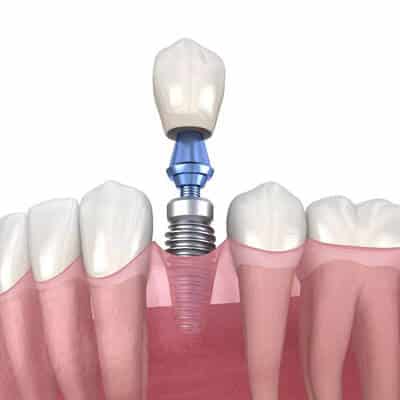
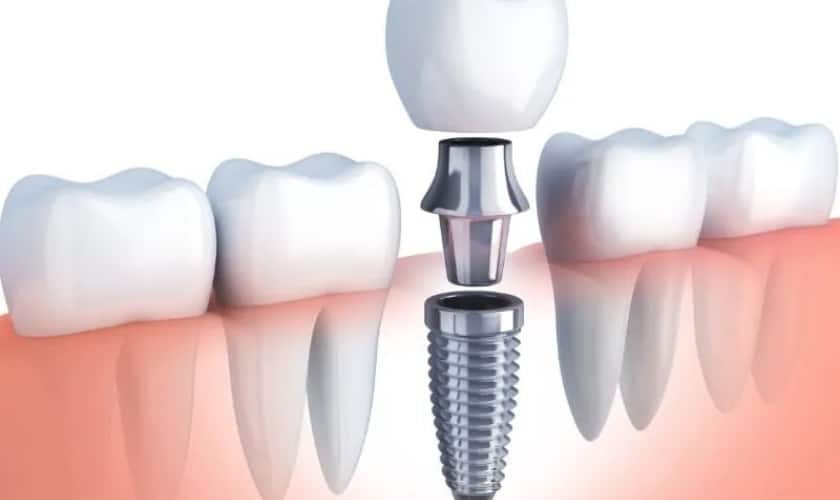
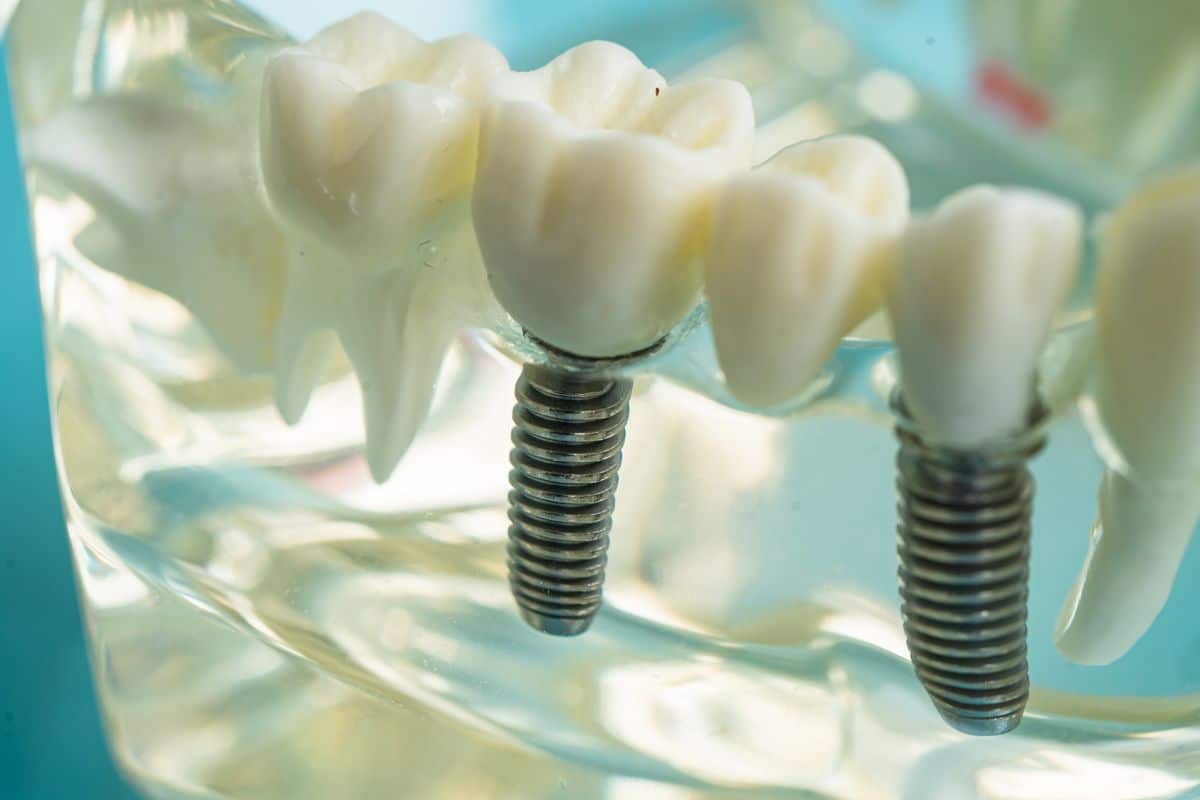
Before we delve into the care and maintenance, it’s important to understand what dental implants are and how they work. Dental implants are artificial tooth roots made from biocompatible materials like titanium. These implants are surgically placed into the jawbone, providing a strong foundation for dental crowns, bridges, or dentures. Unlike other tooth replacement options, such as dentures or bridges, dental implants are a permanent solution that closely mimics natural teeth in appearance and function.
Tips & Tricks to Care for Your Dental Implants
Proper Oral Hygiene is Key
Brushing:
- Use a soft-bristle toothbrush and non-abrasive toothpaste to brush your dental implants twice daily.
- Pay special attention to the gumline, as this is where plaque can accumulate.
- Be gentle but thorough to avoid damaging the implant or the surrounding gum tissue.
Flossing: Flossing is crucial to remove food particles and plaque from between your teeth and around the implant. Use a floss threader or a special implant-friendly floss to ensure a thorough clean. Remember to floss around the abutments (the connector pieces between the implant and the dental restoration).
Mouthwash: Rinse with an antimicrobial, non-alcoholic mouthwash to kill bacteria and prevent infection. This is particularly important during the initial healing period after implant placement.
Regular Dental Check-Ups
Routine dental check-ups are essential for monitoring the condition of your dental implants. Your dentist will assess the health of your implants and provide professional cleanings to ensure their longevity. During these appointments, your dentist may take X-rays to check the bone density and the implant’s stability.
Watch Your Diet
Maintaining a healthy diet not only benefits your overall health but also plays a significant role in dental implant care. Hard and sticky foods can damage your dental implants or dislodge them. Opt for softer, non-sticky options to prevent any complications. Sugar can contribute to gum disease, affecting your dental implants’ stability. Minimize sugary snacks and drinks in your diet. Drinking plenty of water helps maintain good oral health by rinsing away food particles and bacteria that can cause issues around your implants.
Quit Smoking
Smoking and dental implants are not a harmonious pair. The chemicals in tobacco, particularly nicotine, can have detrimental effects on the success of your dental implant procedure and overall oral health. Here’s why quitting smoking or reducing your tobacco use is crucial:
- Impact on Healing: Smoking can impede the body’s natural healing processes. It restricts blood flow, reducing the supply of oxygen and nutrients to the surgical site. This can slow down the healing process after implant surgery and increase the risk of complications.
- Implant Failure: Dental implants need to fuse with the jawbone in a process called osseointegration. Smoking disrupts this process, making it less likely that the implant will integrate properly with the bone. This can lead to implant failure, where the implant doesn’t remain securely anchored.
- Gum Disease: Smoking is a significant risk factor for gum disease. It can cause gum inflammation, decrease the body’s immune response, and increase the accumulation of harmful bacteria. Gum disease can jeopardize the stability of your dental implants by affecting the supportive structures around them.
Protect Your Dental Implants
- Prevention of Physical Damage: Contact sports, such as football or boxing, and even recreational activities like cycling or skateboarding, can lead to facial injuries. A mouthguard acts as a cushion, dispersing the force of an impact and reducing the risk of trauma to your dental implants and natural teeth.
- Preservation of Your Investment: Dental implants are a significant financial and personal investment. Protecting them with a mouthguard is a small but wise step to ensure that your investment remains intact.
- Maintaining Natural Teeth: In addition to safeguarding your dental implants, a mouthguard can also protect your natural teeth from damage. The force from an impact can also affect adjacent teeth, so a mouthguard serves a dual purpose.
Be Mindful of Grinding and Clenching
Excessive Force: Bruxism subjects your teeth and dental implants to excessive force, which can lead to damage. The constant grinding and clenching can wear down the enamel and may compromise the implant’s stability in the case of dental implants.
Nighttime Grinding: Many people grind their teeth at night, which can go unnoticed. Waking up with a sore jaw or headaches is a common sign of bruxism. A custom-made night guard, provided by your dentist, can create a protective barrier between your upper and lower teeth, preventing the harmful effects of grinding.
Preservation of Implant Longevity: Dental implants are designed to last for many years, but bruxism can shorten their lifespan significantly. Using a night guard can help ensure your implants remain secure and functional for the long term.
Follow Post-Surgery Instructions
Your dentist will provide specific post-operative care instructions after your dental implant surgery. Adhering to these guidelines is of utmost importance. Here’s why following these instructions meticulously is crucial:
- Promoting Healing: The post-surgery instructions are designed to facilitate a smooth and speedy healing process. They may include recommendations for pain management, dietary restrictions, and oral hygiene practices.
- Preventing Complications: Proper post-surgery care minimizes the risk of complications, such as infection or implant failure. Your dentist’s instructions are tailored to your specific case and should be followed to the letter to ensure a successful outcome.
- Optimizing Long-Term Results: Following post-surgery instructions sets the foundation for the long-term success of your dental implants. It ensures that the implants integrate with the bone correctly and remain stable over time.
In the grand mosaic of modern dentistry, dental implants shine as a masterpiece of innovation and ingenuity. They have become a lifeline for those who have faced the loss of teeth, offering aesthetics and the revival of the ability to chew, speak, and smile confidently. However, like any work of art, dental implants require careful preservation and nurturing to maintain their brilliance. By embracing proper oral hygiene practices, staying vigilant about our dietary choices, protecting our implants from potential harm, and consulting with our dentists, we forge a path toward a future graced by the enduring presence of our dental implants.
Recent Posts
Mar. 13, 2026
Recovery Tips After All-On-4 Teeth in a Day Surgery
Feb. 16, 2026
Oral vs. IV Sedation: What’s the Difference and Which Is Right for You?
Jan. 27, 2026
Daily Care Routine for Dentures: Cleaning & Storage Guide
Jan. 19, 2026
Speech & Dentures: Quick Fixes to Common Issues
Jan. 12, 2026
Top Tips for Eating Comfortably with New Dentures
Catagories
- Bad Breath (1)
- Cosmetic Dentist (2)
- Dental Bonding (1)
- Dental Checkups (6)
- Dental Crown (1)
- Dental Fillings (1)
- Dental Implants (22)
- Dental Insurance (2)
- Dental Sealant (3)
- Dental Veneers (6)
- Dentures (7)
- Emergency Dentistry (9)
- Gum Disease (2)
- Invisalign (5)
- Mouthguard (3)
- New Year (1)
- Oral Health (12)
- Periodontal Treatment (2)
- root canal (4)
- Sedation Dentistry (2)
- Sumner Dental Group (7)
- teeth whitening (8)
- Tooth Extractions (10)
- Uncategorized (0)
- Wisdom Tooth Extraction (1)