

July 6, 2024
root canal
Root canal treatment is one of the most misunderstood dental procedures, often shrouded in fear and anxiety. Many people associate it with intense pain, leading to hesitation or delay in seeking treatment. However, modern dentistry has significantly advanced, making root canal treatments much more comfortable than they used to be. In this comprehensive guide, we will explore what a root canal is, why it’s needed, and whether it is truly painful. We will also discuss the procedure in detail, address common misconceptions, and provide tips for managing any discomfort associated with the treatment.
Understanding Root Canal Treatment
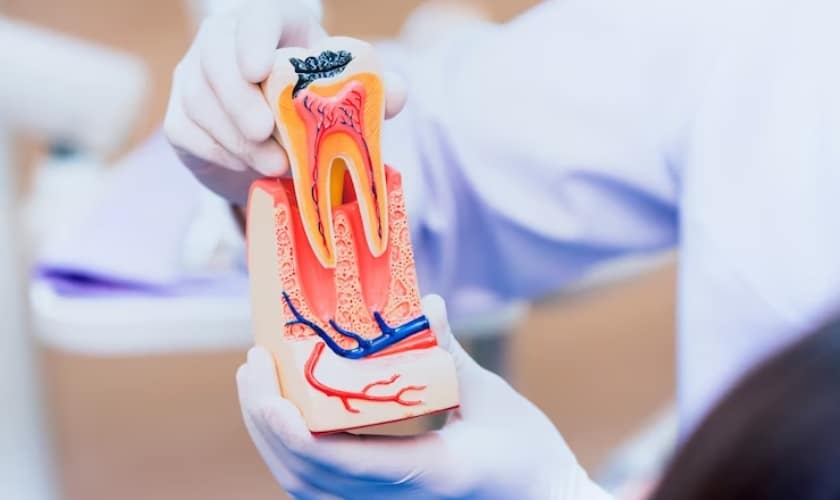
Root canal treatment, also known as endodontic therapy, is a dental procedure aimed at saving a tooth that is severely infected or damaged. The treatment involves removing the infected or damaged pulp (the soft tissue inside the tooth), cleaning and disinfecting the root canals, and then filling and sealing them to prevent further infection.
Why Root Canal Treatment is Needed
Root canal treatment is typically required when the tooth’s pulp becomes inflamed or infected. This can happen due to:
- Deep Decay: Untreated cavities can extend deep into the tooth, reaching the pulp and causing infection.
- Repeated Dental Procedures: Multiple dental procedures on the same tooth can irritate the pulp and lead to inflammation.
- Cracked or Chipped Tooth: A crack or chip in the tooth can expose the pulp to bacteria, resulting in infection.
- Trauma: An injury to the tooth, even without visible cracks, can damage the pulp.
If left untreated, an infected pulp can cause severe pain and abscess formation and even lead to tooth loss. Root canal treatment is a critical intervention to save the tooth and alleviate pain.
The Root Canal Procedure
Understanding the root canal procedure can help demystify the process and reduce anxiety. Here’s a step-by-step overview of what to expect:
1. Initial Consultation and Examination
Your dentist or endodontist will first conduct a thorough examination, which may include X-rays, to assess the extent of the infection and determine the need for a root canal. They will discuss the procedure with you and address any concerns you may have.
2. Administration of Anesthesia
Contrary to popular belief, root canal treatment is typically no more painful than getting a filling, thanks to local anesthesia. Your dentist will numb the affected tooth and surrounding area to ensure you are comfortable throughout the procedure.
3. Isolation of the Tooth
To keep the treatment area dry and free of saliva, a dental dam (a small sheet of rubber) is placed around the tooth. This also helps prevent contamination from bacteria in the mouth.
4. Accessing the Pulp
The dentist will create an opening in the crown of the tooth to access the pulp chamber and root canals. This step may sound daunting, but remember, you will be numb and should not feel pain.
5. Removing the Infected Pulp
Using specialized instruments, the dentist will remove the infected or damaged pulp from the pulp chamber and root canals. This step eliminates the source of the infection and pain.
6. Cleaning and Shaping the Canals
The root canals are then cleaned, disinfected, and shaped to prepare them for filling. This involves using tiny files to ensure the canals are free of debris and bacteria.
7. Filling the Canals
Once the canals are thoroughly cleaned and shaped, they are filled with a biocompatible material called gutta-percha. This material helps seal the canals and prevent re-infection.
8. Sealing the Tooth
The opening in the tooth is temporarily sealed to protect it until a permanent restoration (such as a crown) can be placed. In some cases, the permanent restoration may be placed immediately.
Addressing the Pain Question
Now, let’s address the central question: Is root canal treatment painful? The answer, in most cases, is no. Here’s why:
1. Anesthesia
Modern root canal treatments are performed under local anesthesia, which numbs the affected area and prevents pain during the procedure. You might feel some pressure or movement, but not pain.
2. Advancements in Dental Technology
Advancements in dental technology, including improved anesthetics, high-precision instruments, and better imaging techniques, have made root canal treatments more efficient and less uncomfortable.
3. Pain Management
Your dentist will provide you with instructions for managing any post-treatment discomfort. Over-the-counter pain relievers, such as ibuprofen, are usually sufficient to manage any soreness or sensitivity following the procedure.
Common Misconceptions About Root Canals
Several misconceptions contribute to the fear surrounding root canal treatments. Let’s debunk some of these myths:
1. Myth: Root Canals Are Extremely Painful
As discussed, the procedure itself is not painful due to effective local anesthesia. The pain associated with root canals usually stems from the infection in the tooth, which the treatment aims to resolve.
2. Myth: Root Canals Cause Illness
There is no scientific evidence supporting the claim that root canal treatments cause systemic illness. This myth originated from outdated and debunked research.
3. Myth: Tooth Extraction Is a Better Alternative
While tooth extraction may seem like an easier solution, it can lead to other complications such as shifting teeth, bite problems, and the need for more complex dental work like implants or bridges. Root canal treatment saves the natural tooth and maintains your dental structure.
Managing Discomfort After a Root Canal
While the procedure itself is not painful, some discomfort after the treatment is normal. Here’s how to manage it:
1. Pain Relievers
Over-the-counter pain relievers like ibuprofen or acetaminophen can help manage post-treatment discomfort. Follow your dentist’s recommendations on dosage and frequency.
2. Avoid Hard Foods
Avoid chewing on the treated tooth until it is fully restored with a crown. Stick to soft foods to prevent irritation or damage.
3. Maintain Oral Hygiene
Keep your mouth clean by brushing and flossing regularly, but be gentle around the treated tooth. Rinse with a mild saltwater solution to reduce inflammation and promote healing.
4. Follow-Up Care
Attend any follow-up appointments as scheduled. Your dentist will monitor the healing process and ensure the tooth is recovering properly.
When to Contact Your Dentist
While complications are rare, it’s important to contact your dentist if you experience any of the following after a root canal:
- Severe pain or pressure lasting more than a few days
- Visible swelling inside or outside your mouth
- An allergic reaction to medication (itching, hives, rash)
- A return of original symptoms (pain or sensitivity)
Root canal treatment is a highly effective procedure for saving infected or damaged teeth and relieving pain. Thanks to modern dentistry, the treatment itself is not painful. Local anesthesia, advanced dental technology, and proper pain management make the process comfortable for most patients. By debunking common myths and understanding what to expect, you can approach a root canal with confidence and peace of mind.
If you suspect you need a root canal or have any concerns about the procedure, consult with your dentist. They can provide you with detailed information, answer your questions, and ensure you receive the best possible care.
Recent Posts

Feb. 16, 2026
Oral vs. IV Sedation: What’s the Difference and Which Is Right for You?

Jan. 27, 2026
Daily Care Routine for Dentures: Cleaning & Storage Guide

Jan. 19, 2026
Speech & Dentures: Quick Fixes to Common Issues
Jan. 12, 2026
Top Tips for Eating Comfortably with New Dentures

Jan. 05, 2026
The Ultimate Guide to Dentures: Types, Process, Benefits & Care
Catagories
- Bad Breath (1)
- Cosmetic Dentist (2)
- Dental Bonding (1)
- Dental Checkups (6)
- Dental Crown (1)
- Dental Fillings (1)
- Dental Implants (21)
- Dental Insurance (2)
- Dental Sealant (3)
- Dental Veneers (6)
- Dentures (7)
- Emergency Dentistry (9)
- Gum Disease (2)
- Invisalign (5)
- Mouthguard (3)
- New Year (1)
- Oral Health (12)
- Periodontal Treatment (2)
- root canal (4)
- Sedation Dentistry (2)
- Sumner Dental Group (7)
- teeth whitening (8)
- Tooth Extractions (10)
- Uncategorized (0)
- Wisdom Tooth Extraction (1)