

February 6, 2023
Emergency Dentistry
When you are dealing with severe tooth pain or an injury in your mouth, it’s hard to know whether it’s something that requires immediate attention or whether you can wait a couple of days and then go to the dentist. Dental emergencies can be frightening, but with the right care and knowledge, they can easily be taken care of. In this blog post, we’ll explain what qualifies as a dental emergency and when you should seek help. We will also discuss how to prevent dental emergencies from happening in the first place.
What is a Dental Emergency?
A dental emergency is any oral health problem that requires immediate attention. Common examples of dental emergencies include a broken or knocked-out tooth, severe toothache, bleeding inside your mouth, and an abscessed or infected tooth. If you have any of these issues, you should seek help right away.
When to Seek Help
If you have a dental emergency, time is of the essence. You should contact your dentist immediately and get to their office as soon as possible. If it’s after hours or on the weekend, many dentists have an emergency hotline that you can call. It’s important to note that if the issue is not a medical emergency, your dentist may need to refer you to an emergency room or urgent care center for further treatment.
How to Prevent Dental Emergencies
The best way to handle a dental emergency is to prevent it from happening in the first place. This can be done by taking good care of your teeth and being mindful of any signs or symptoms that could indicate an underlying problem. Regular dental checkups are key to preventing dental emergencies as they allow your dentist to detect potential problems before they become serious. Additionally, it’s important to avoid chewing hard objects such as ice or popcorn kernels and to wear a mouthguard if you play contact sports.
Diagnosis & Treatment
If you have a dental emergency, your dentist will likely need to conduct an examination in order to determine the cause of the problem. Depending on the diagnosis, treatment may involve restoring a damaged tooth or filling a cavity. In more serious cases, your dentist may need to perform a root canal or even extract the tooth.
Conclusion
Dental emergencies can be scary and overwhelming, but with the right knowledge and care, they don’t have to be. By understanding what qualifies as a dental emergency, when to seek help, and how to prevent them from happening in the first place, you’ll be better prepared to handle any dental emergency that arises.
FAQs
Q: How long does it take for a dental emergency to be treated?
A: The length of time needed to treat a dental emergency depends on the severity and type of problem you’re dealing with. In some cases, it can be resolved in as little as one visit. In more serious cases, multiple visits may be necessary.
Q: Can I wait until the morning to see a dentist?
A: If you’re experiencing a severe dental emergency, it’s best to seek help right away. Many dentists have emergency hotlines that you can call after hours.
Q: Are there any at-home remedies for dental emergencies?
A: Yes, in some cases, it is possible to treat the problem at home. For example, if you have a mild toothache, you can rinse your mouth with salt water or take over-the-counter pain medication. However, if the problem persists or becomes more severe, you should seek help from a dental professional right away.
Recent Posts

Feb. 16, 2026
Oral vs. IV Sedation: What’s the Difference and Which Is Right for You?
Jan. 27, 2026
Daily Care Routine for Dentures: Cleaning & Storage Guide
Jan. 19, 2026
Speech & Dentures: Quick Fixes to Common Issues
Jan. 12, 2026
Top Tips for Eating Comfortably with New Dentures
Jan. 05, 2026
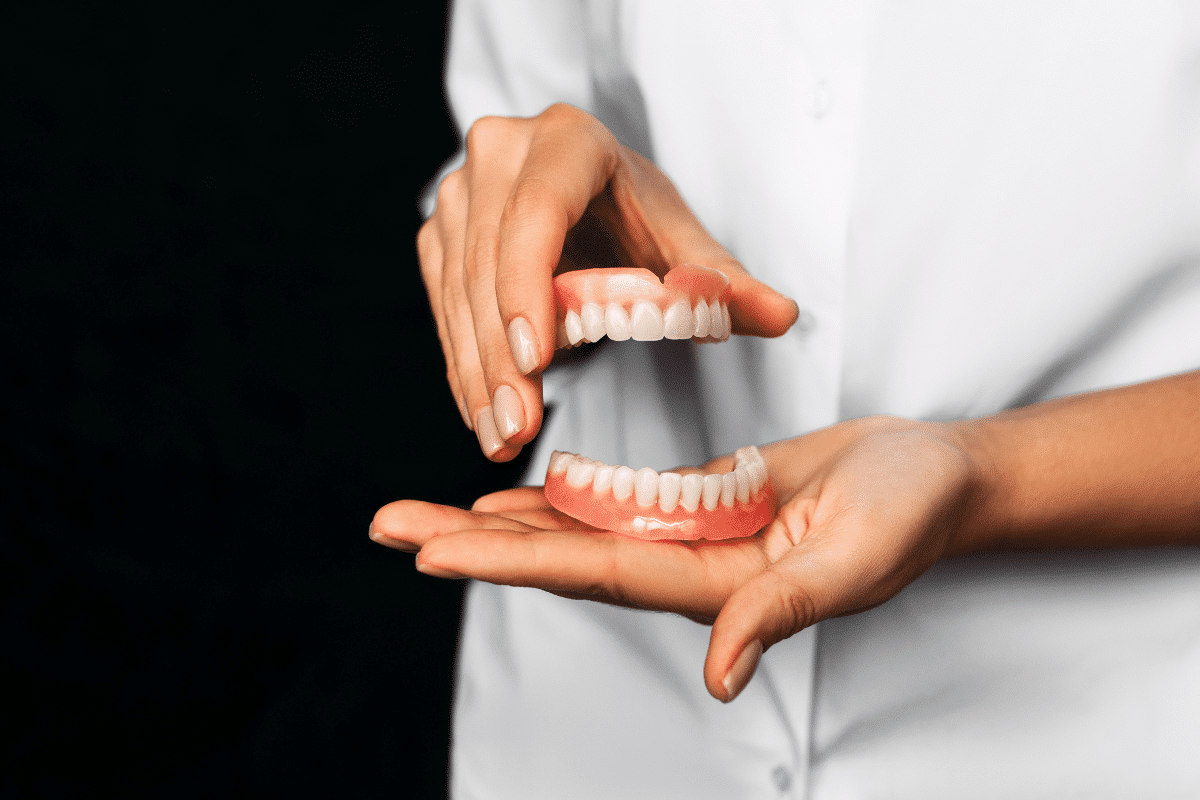
The Ultimate Guide to Dentures: Types, Process, Benefits & Care
Catagories
- Bad Breath (1)
- Cosmetic Dentist (2)
- Dental Bonding (1)
- Dental Checkups (6)
- Dental Crown (1)
- Dental Fillings (1)
- Dental Implants (21)
- Dental Insurance (2)
- Dental Sealant (3)
- Dental Veneers (6)
- Dentures (7)
- Emergency Dentistry (9)
- Gum Disease (2)
- Invisalign (5)
- Mouthguard (3)
- New Year (1)
- Oral Health (12)
- Periodontal Treatment (2)
- root canal (4)
- Sedation Dentistry (2)
- Sumner Dental Group (7)
- teeth whitening (8)
- Tooth Extractions (10)
- Uncategorized (0)
- Wisdom Tooth Extraction (1)