
August 22, 2024
Dental Fillings
Composite fillings have become a popular choice for dental restorations due to their aesthetic appeal and ability to blend in with natural teeth. However, as with any dental material, there comes a time when replacing these fillings becomes necessary. Whether due to wear and tear, discoloration, or a desire for enhanced oral health, there are compelling reasons to consider replacing your composite fillings. This blog explores these reasons and what you can expect during the replacement process.
Signs It’s Time to Replace Composite Fillings
When assessing whether to replace composite fillings, several signs can indicate the need for replacement. One common sign is visible wear. Over time, chewing and grinding can wear down the surface of fillings. If you notice a change in the texture or appearance of your filling, it might be time to consult your dentist. Deterioration can also lead to sensitivity or discomfort while eating or drinking.
Another important factor is discoloration. Composite fillings are designed to match the natural color of your teeth, but they can become stained over time from food, beverages, and habits like smoking. If you find that your fillings have lost their original luster and now stand out against your other teeth, a replacement can restore your smile’s uniformity.
Additionally, recurring sensitivity or discomfort can signal that the filling is no longer effective. This sensitivity might occur when consuming hot, cold, or sweet foods. Such sensations could indicate that the filling is no longer sealing the cavity adequately, allowing bacteria to enter and compromise the tooth’s integrity. Addressing these issues sooner rather than later is crucial to avoid more significant problems down the line.
Advantages of Replacing Your Fillings
There are numerous advantages to replacing composite fillings that go beyond mere aesthetics. One significant benefit is improved oral health. When a filling is damaged or improperly sealed, it can lead to decay or other dental issues. By replacing compromised fillings, you can ensure that your teeth remain healthy and free from cavities.
In addition, modern composite materials have advanced significantly since your original fillings were placed. Today’s materials are often more durable, stain-resistant, and longer-lasting than those used in the past. This means that replacing older fillings with newer materials can enhance their lifespan and reduce the frequency of future replacements.
Aesthetics play a significant role as well. Newer composite materials come in a wider range of shades and better mimic the natural translucency of teeth. This improvement allows for a more seamless restoration, making your smile appear even more natural. If you’ve noticed that your current fillings no longer blend in well with your teeth, replacing them can significantly improve your overall smile.
The Replacement Process
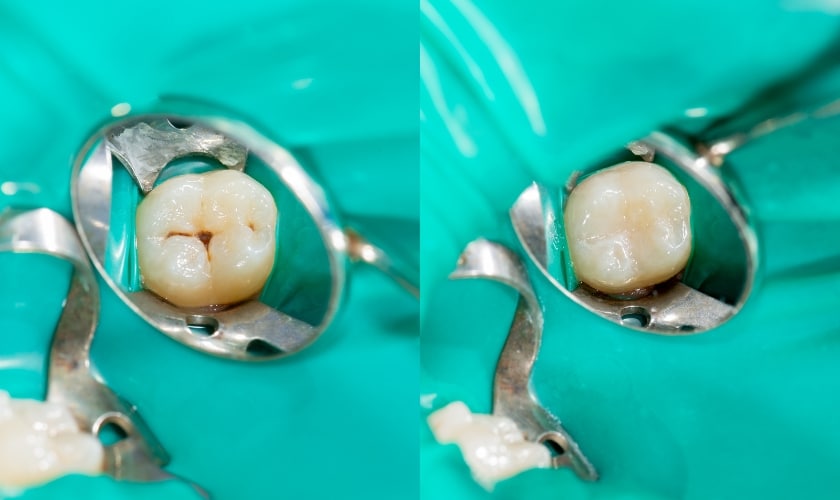
Replacing composite fillings is a straightforward procedure that your dentist can typically complete in a single visit. First, your dentist will evaluate the existing filling to determine the extent of any damage or decay in the underlying tooth. Once the decision to replace the filling is made, the old filling will be carefully removed. This step may involve the use of local anesthesia to ensure your comfort throughout the procedure.
After removing the old filling, your dentist will prepare the tooth for the new composite material. This preparation may include cleaning the cavity and possibly applying a bonding agent to help the new filling adhere properly. Once everything is ready, the composite material is applied in layers. Your dentist will shape and mold the material to fit perfectly within the cavity, ensuring it feels natural and comfortable.
After the filling is in place, your dentist will cure it using a special light, which hardens the material. Finally, any necessary adjustments will be made to ensure that your bite feels natural and comfortable. The entire process is relatively quick, often taking less than an hour.
Maintaining Your New Fillings
After replacing your composite fillings, proper care can help ensure their longevity. Maintaining excellent oral hygiene is critical. Brushing your teeth at least twice daily with fluoride toothpaste, along with regular flossing, can help prevent decay around your fillings and contribute to your overall dental health.
It’s also advisable to schedule regular check-ups with your dentist. These visits allow your dentist to monitor the condition of your fillings and other dental health aspects, catching potential issues before they escalate. If you engage in activities that might put your fillings at risk, such as grinding your teeth or chewing hard foods, your dentist may suggest wearing a nightguard or making dietary adjustments to protect your dental work.
Being mindful of your habits can significantly influence the lifespan of your new fillings. For instance, avoiding excessive sugar consumption can help reduce the risk of tooth decay. Additionally, limiting your intake of staining substances like coffee, tea, and tobacco will help keep your fillings looking fresh and bright.
The Importance of Professional Advice
Ultimately, the decision to replace composite fillings should be guided by professional dental advice. Regular evaluations from your dentist can help identify any potential issues before they become significant problems. They can also provide personalized recommendations based on your unique dental needs and lifestyle.
If you’re experiencing any symptoms indicating your composite fillings may need replacing, it’s time to book an appointment with your dentist. They can thoroughly assess your dental health and guide you through the replacement process, ensuring that your smile remains bright and healthy. Remember, investing in your oral health today can lead to a lifetime of confident smiles.
If you’re in the Gallatin area and looking for a reliable dentist, don’t hesitate to reach out. Your oral health is important, and taking care of your dental fillings is a crucial part of that care.
Recent Posts
Mar. 13, 2026
Recovery Tips After All-On-4 Teeth in a Day Surgery

Feb. 16, 2026
Oral vs. IV Sedation: What’s the Difference and Which Is Right for You?
Jan. 27, 2026
Daily Care Routine for Dentures: Cleaning & Storage Guide
Jan. 19, 2026
Speech & Dentures: Quick Fixes to Common Issues
Jan. 12, 2026
Top Tips for Eating Comfortably with New Dentures
Catagories
- Bad Breath (1)
- Cosmetic Dentist (2)
- Dental Bonding (1)
- Dental Checkups (6)
- Dental Crown (1)
- Dental Fillings (1)
- Dental Implants (22)
- Dental Insurance (2)
- Dental Sealant (3)
- Dental Veneers (6)
- Dentures (7)
- Emergency Dentistry (9)
- Gum Disease (2)
- Invisalign (5)
- Mouthguard (3)
- New Year (1)
- Oral Health (12)
- Periodontal Treatment (2)
- root canal (4)
- Sedation Dentistry (2)
- Sumner Dental Group (7)
- teeth whitening (8)
- Tooth Extractions (10)
- Uncategorized (0)
- Wisdom Tooth Extraction (1)