
April 30, 2024
Dental Veneers
Are you tired of feeling self-conscious about your smile? Do stained, crooked, or misshapen teeth hold you back from feeling confident in social settings? Dental veneers could be the solution you’ve been searching for. These thin porcelain shells can instantly transform your smile and boost your confidence. But before diving into the world of veneers, it’s important to know the ins and outs of this cosmetic dental treatment. In this insider’s guide, we’ll deeply dive into everything you need to know about dental veneers – from preparation and procedure to aftercare and maintenance – to achieve the perfect smile you deserve.
What is a Dental Veneer?
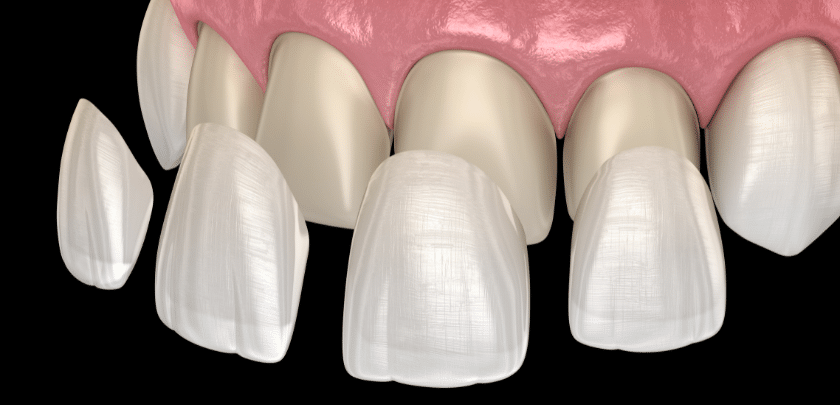
Dental veneers are a type of cosmetic dentistry used to improve teeth’ look. Veneers are custom-made pieces of dental stone or plastic bonded to your teeth’ front surface. They can be used to correct a wide variety of dental problems, including:
• Uneven tooth size or shape
• Broken, chipped, or stained teeth
• A mismatch between your teeth and their surrounding gum tissue
When deciding if veneers are right for you, it’s important to understand what they can and cannot do. Veneers cannot restore tooth structure or repair decay. Veneers only cover up dental problems and enhance the appearance of your smile. Here are some tips to help you choose the right veneer for your individual needs:
1. Evaluate the condition of your teeth and gums. If you have broken, chipped, or stained teeth, veneers may not be a good option because they will only cover up damage rather than correct it. If your teeth and gums are in good condition, however, veneers may be a good solution for improving the appearance of your smile.
2. Consider your facial features. Suppose you have severe jawline deficiencies or other facial features that veneers (such as a receding chin) would negatively affect you. In that case, consider another type of cosmetic dentistry instead. Veneers can also make
Types of Dental Veneers
Various dental veneers are available on the market today, each with its unique benefits and drawbacks. Here is a breakdown of the three most common types of dental veneers:
1. Porcelain Veneers: Made from a hard, brittle material called porcelain, these veneers are often used to correct minor imperfections in teeth. They are removable and can be refitted multiple times.
2. Crowns: Similar to porcelain veneers, crowns are made from hard materials like metal and plastic and are used to build up an area that needs restoration (like a tooth that has been knocked out or damaged). Crowns are more durable than porcelain veneers but may require more frequent replacement because they can wear down over time.
3. Inlays: Inlays are made from a softer material like gold or composite resin and are custom-made to fit into specific areas of your teeth. Because they’re made to stay in place, inlays generally offer greater durability than crowns or porcelain veneers.
How are Dental Veneers Made?
- Dental veneers are a type of dental restoration that can be used to improve the appearance and function of your smile. They are made from composite material, a combination of different types of materials that have been shaped into a specific shape. They are custom-made to fit the exact contours of your teeth and can provide a more natural look than traditional fillings or crowns.
- To get the best results, choosing the right type of dental veneer for your needs is important. There are three main types of veneers: composite, porcelain, and gold. Composite veneers are made from a blend of glass, plastic, and metal materials. Porcelain veneers are made from natural materials like ceramic and enamel and are harder than composite veneers. Finally, gold veneers are made from pure gold and provide the highest level of tooth coverage.
- To determine if you’re a good candidate for dental veneers, your dentist must first determine if you have enough teeth left after removing any necessary decay or damage. If you do not have enough teeth left, you may be a good candidate for porcelain or gold veneers because they require less tooth removal than composite or silicone veneers.
- Once your candidacy has been determined, your dentist will create a customized treatment plan based on your needs and preferences. This plan will include an examination of your smile to determine which type.
What to Expect after Receiving a Dental Veneer
If you’re considering dental veneers, here are a few things to expect after your procedure:
- Most people feel some initial discomfort after dental veneers are placed. It typically lasts for a day or two and subsides over time. Some people may experience minor pain after the restoration is placed, but that usually goes away within a few days as well.
- People who have had dental veneers before generally report excellent results – a perfect smile that looks natural and matches their teeth! While there is no guarantee that every person will love their new smile, most people seem pleased with their results.
- You should follow up with your dentist regularly for continued monitoring of the restoration, especially if you have any concerns about it. Also, be sure to ask your dentist for any specific instructions or advice on how to take care of your new smile.
Dental veneers may be the solution for you if you want to achieve a perfect smile. This blog will provide an overview of veneers and how they can help improve your appearance. We’ll also discuss tips for choosing the right dental veneer provider, preparing for your appointment and taking care of your veneers to avoid their staining. Armed with this information, you’ll be ready to take on your next smile transformation!
Recent Posts
Feb. 16, 2026
Oral vs. IV Sedation: What’s the Difference and Which Is Right for You?
Jan. 27, 2026
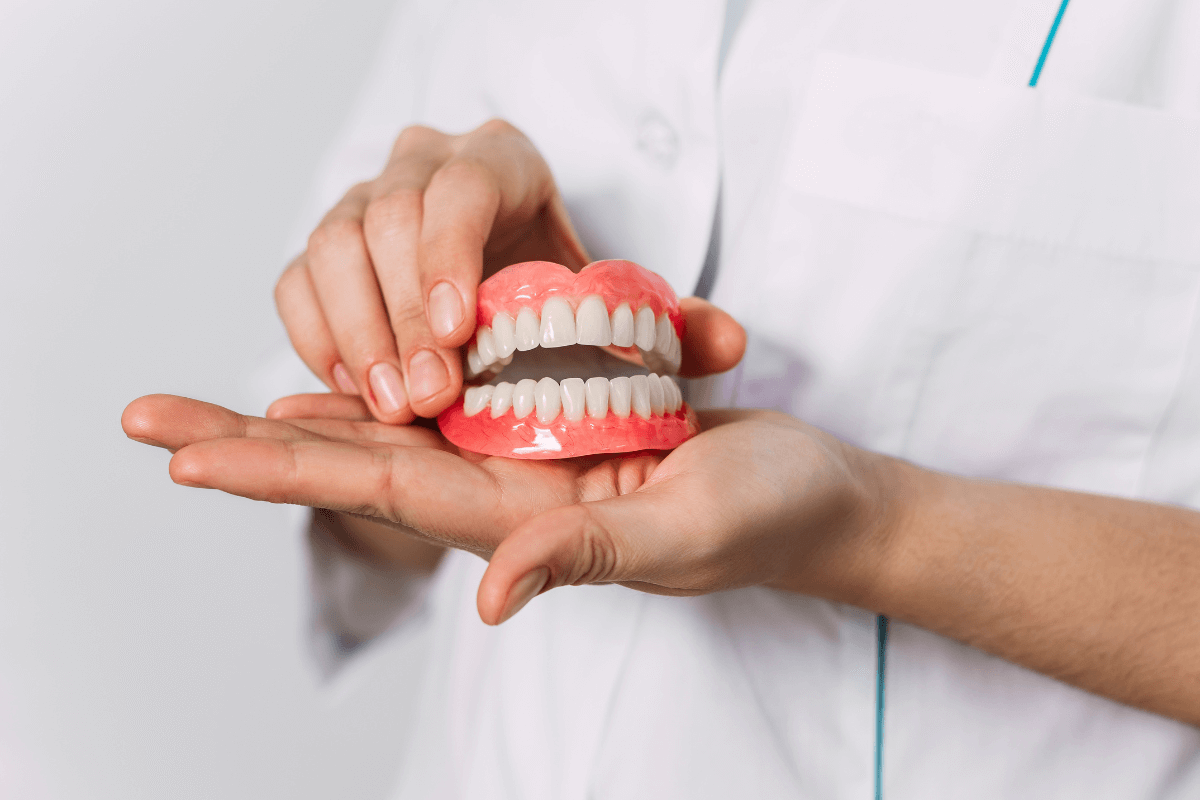
Daily Care Routine for Dentures: Cleaning & Storage Guide
Jan. 19, 2026
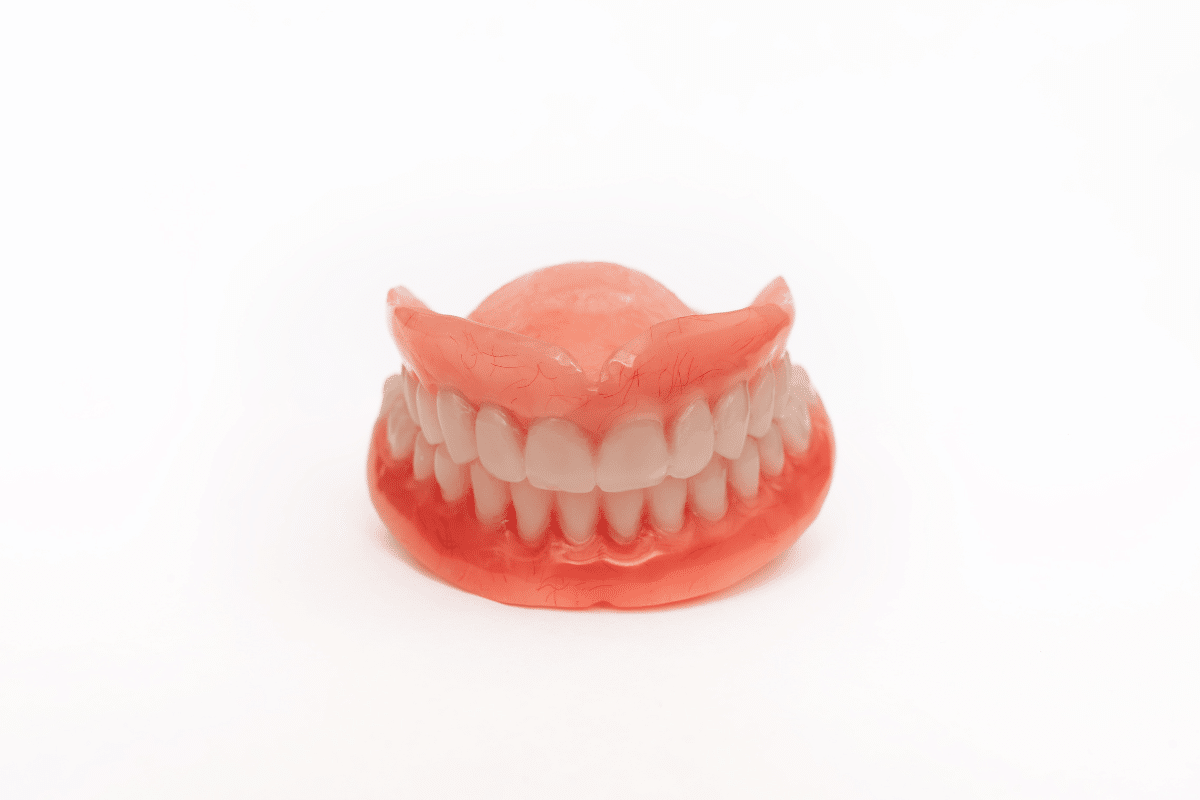
Speech & Dentures: Quick Fixes to Common Issues
Jan. 12, 2026
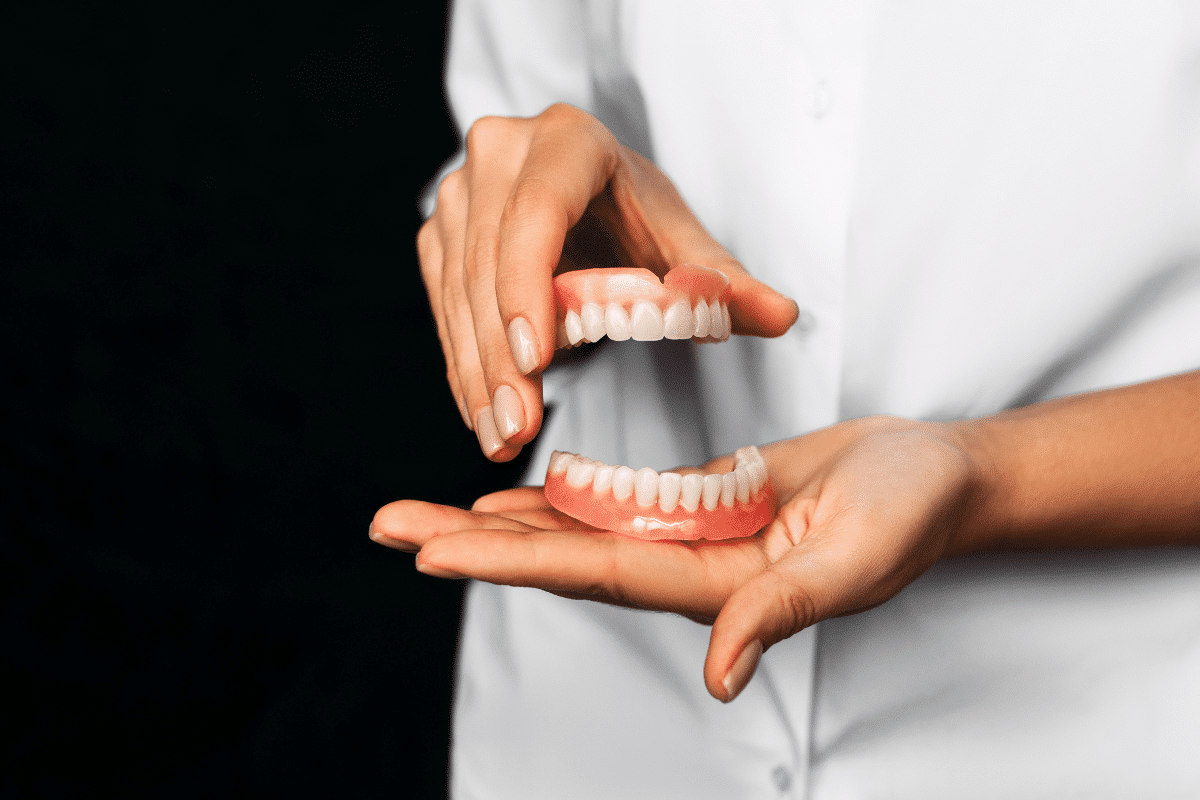
Top Tips for Eating Comfortably with New Dentures
Jan. 05, 2026
The Ultimate Guide to Dentures: Types, Process, Benefits & Care
Catagories
- Bad Breath (1)
- Cosmetic Dentist (2)
- Dental Bonding (1)
- Dental Checkups (6)
- Dental Crown (1)
- Dental Fillings (1)
- Dental Implants (21)
- Dental Insurance (2)
- Dental Sealant (3)
- Dental Veneers (6)
- Dentures (7)
- Emergency Dentistry (9)
- Gum Disease (2)
- Invisalign (5)
- Mouthguard (3)
- New Year (1)
- Oral Health (12)
- Periodontal Treatment (2)
- root canal (4)
- Sedation Dentistry (2)
- Sumner Dental Group (7)
- teeth whitening (8)
- Tooth Extractions (10)
- Uncategorized (0)
- Wisdom Tooth Extraction (1)