
April 30, 2024
Tooth Extractions
Losing a tooth is never easy, but sometimes it’s necessary for better oral health. Whether you have a wisdom tooth removed or your dentist recommends extraction due to decay or damage, the recovery process can be daunting. But fear not! We’ve compiled some tips and tricks to help make your recovery as smooth as possible. So please sit back, grab an ice pack, and let’s dive into our Tooth Extraction Guide!
What is a Tooth Extraction?
A tooth extraction is a minor outpatient surgery used to remove a tooth that is no longer healthy or necessary. The surgery typically takes about an hour and can be done under local anesthesia with minimal pain afterward. Here are some tips for a smoother recovery:
1. Make sure you understand the risks and benefits of having the extraction performed. There are short-term and long-term risks associated with tooth extractions, so it’s important to discuss those with your doctor before deciding.
2. Plan by scheduling a consultation with your dentist as soon as possible after you’ve been informed of your eligibility for the procedure. It will allow them to discuss your options and help you create a timeline for your recovery.
3. Take care of your oral hygiene following the extraction procedure. It includes brushing and flossing regularly, avoiding caffeine, smoking, and eating hard foods right after the surgery.
4. Avoid drinking fluids other than water until at least two days after the surgery to reduce swelling in the oral cavity caused by saliva leakage during the healing process.
How is a Tooth Extraction performed?
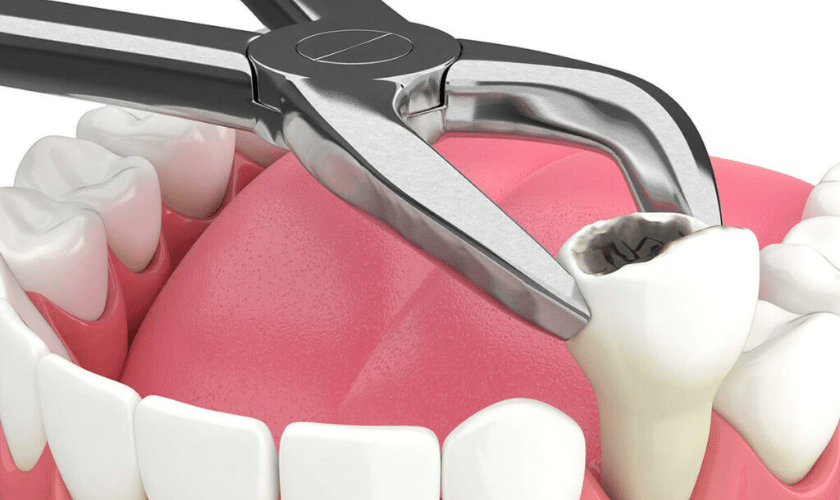
Tooth extraction is a procedure used to remove a tooth from the mouth. The process begins by numbing the area around the tooth with an injection. A small cut is then made in the gum, and the tooth is slowly pulled out. If the tooth has been damaged or infected, it may need to be removed entirely.
What to expect during and after a Tooth Extraction
If you are thinking about having a tooth extracted, there are a few things that you should expect during and after the procedure.
During the Procedure:
1. You will likely be given an IV to help with anesthesia. In addition, it will make the extraction process much more comfortable for you.
2. You may feel slight pain during the extraction, which is normal. However, if you experience excessive pain, contact your dentist immediately.
3. You may need to stay overnight in the hospital after the extraction for observation. It is because there is a small risk of infection developing during the procedure.
4. After the extraction, you can resume your normal activities as soon as possible but should avoid strenuous activity for at least two days post-op. It is important not to stress your teeth too much after surgery since this can cause additional damage or even more complicated problems down the line!
5. If all goes well, you should have minimal discomfort and no lasting side effects from tooth extraction. However, if you experience any problems post-op, such as infection or swelling, please get in touch with your dentist immediately!
Tips for a Smoother Recovery
Tooth extraction is a common procedure that many people undergo. It can be a scary experience, but with the right preparation and tips, it can be an easier one. Here are some tips to help you recover from tooth extraction smoother:
1. Make sure to schedule your appointment well in advance. Waiting too long can lead to increased anxiety and postpone the healing process.
2. Bring snacks and drinks for the drive home and something to watch or read if you’re bored. Again, taking care of yourself during this time will help you feel rested and relaxed once you arrive at your recovery location.
3. Create a comfortable recovery environment for yourself by removing distractions and ensuring no bright lights or loud noises are nearby. Try to get into a comfortable position, such as lying down with your eyes closed or taking a relaxing bath before bedtime.
4. Avoid strenuous activity until the wound has healed completely – this includes lifting weights, playing contact sports, and using excessively hot water or cold temperatures. Doing so can further injure the wound and delay healing time even further!
5. Apply pressure to the wound using a clean cloth or wrap it every few hours until it heals completely – doing so will help reduce swelling and pain while minimizing potential infection risks. If you experience intense pain or discomfort, please get in touch with your doctor immediately for assistance!
After tooth extraction, you can do a few things to help make the recovery process smoother. Follow our tips and tricks for a smooth recovery after an extraction:
1. Keep your mouth clean and dry – Oral hygiene is key after a tooth extraction, especially if cleaning teeth is not part of your pre-operative plan. Make sure to clean all around your teeth and gums with gentle soap and water at least twice each day. In addition, spit out any food or drink that remains in your mouth for at least 30 minutes afterward so that bacteria don’t form plaque on your teeth.
2. Don’t eat hard foods – Eating hard foods can cause further pain and discomfort during the healing process, so stick to softer meals until your stitches have healed completely. Also, if you find swallowing difficult due to pain relief medication, speak with your dentist about taking over-the-counter medications such as ibuprofen or acetaminophen instead of eating anything hard.
3. Elevate your headrest pillow frequently – When sleeping on an elevated headrest pillow (as opposed to a flatbed), blood flow will be directed towards the lower half of the body, which will help reduce swelling postoperatively. If you wake up constantly throughout the night with sore jaw or neck muscles, elevate your pillow more often during sleep; this should solve most problems!
Recent Posts

Feb. 16, 2026
Oral vs. IV Sedation: What’s the Difference and Which Is Right for You?
Jan. 27, 2026
Daily Care Routine for Dentures: Cleaning & Storage Guide
Jan. 19, 2026
Speech & Dentures: Quick Fixes to Common Issues
Jan. 12, 2026
Top Tips for Eating Comfortably with New Dentures
Jan. 05, 2026
The Ultimate Guide to Dentures: Types, Process, Benefits & Care
Catagories
- Bad Breath (1)
- Cosmetic Dentist (2)
- Dental Bonding (1)
- Dental Checkups (6)
- Dental Crown (1)
- Dental Fillings (1)
- Dental Implants (21)
- Dental Insurance (2)
- Dental Sealant (3)
- Dental Veneers (6)
- Dentures (7)
- Emergency Dentistry (9)
- Gum Disease (2)
- Invisalign (5)
- Mouthguard (3)
- New Year (1)
- Oral Health (12)
- Periodontal Treatment (2)
- root canal (4)
- Sedation Dentistry (2)
- Sumner Dental Group (7)
- teeth whitening (8)
- Tooth Extractions (10)
- Uncategorized (0)
- Wisdom Tooth Extraction (1)