

July 15, 2024
Dental Veneers
Dental veneers are a popular cosmetic solution for enhancing the appearance of your teeth. These thin, custom-made shells cover the front surface of your teeth to correct imperfections, such as discoloration, chips, and gaps. While the procedure is generally straightforward and well-tolerated, some patients may experience pain or discomfort after getting dental veneers. Understanding the possible causes of this pain and knowing how to address it can help ensure a smooth recovery and achieve the best results.
Understanding Dental Veneers
Before delving into the management of pain after getting dental veneers, it’s essential to understand what veneers are and how the procedure works.
What Are Dental Veneers?
Dental veneers are thin, custom-made shells of tooth-colored material, usually porcelain or composite resin that are bonded to the front surface of your teeth. They are designed to improve the appearance of your smile by addressing issues such as:
- Discoloration or staining
- Chipped or cracked teeth
- Gaps between teeth
- Misalignment or irregular shape
The Veneer Procedure
- Initial Consultation: During the first visit, your dentist will evaluate your oral health, discuss your aesthetic goals, and determine if veneers are a suitable option for you.
- Tooth Preparation: To accommodate the veneers, a small amount of enamel is removed from the front of the teeth. This step ensures that the veneers fit properly and look natural.
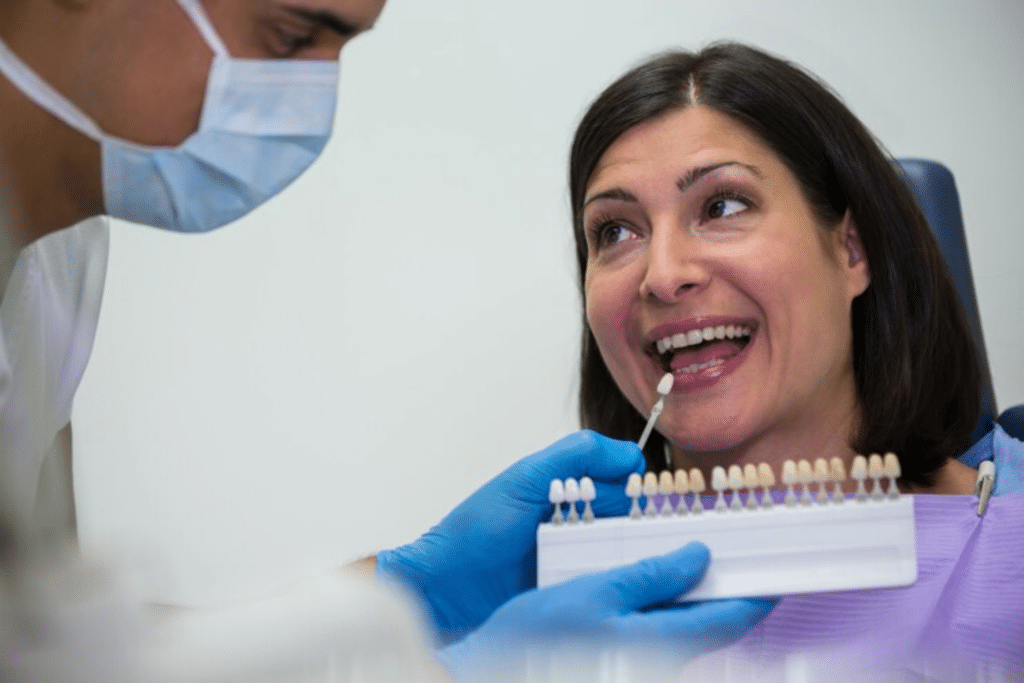
- Impressions and Shade Matching: Your dentist will take impressions of your teeth and match the veneer color to your natural teeth for a seamless appearance.
- Temporary Veneers: In some cases, temporary veneers are placed while the permanent ones are being fabricated.
- Placement of Permanent Veneers: Once the permanent veneers are ready, they are carefully bonded to your teeth using a special adhesive. Adjustments are made to ensure a proper fit and bite.
Common Causes of Pain After Getting Veneers
Experiencing some discomfort after getting dental veneers is not uncommon. Understanding the possible causes can help you address the pain effectively:
1. Sensitivity
After the enamel is removed, your teeth may become more sensitive to hot, cold, or sweet foods and beverages. This sensitivity is usually temporary and should subside as your teeth adjust to the veneers.
2. Tooth Preparation
The removal of enamel can sometimes cause temporary discomfort. Your teeth might feel sensitive or uncomfortable as they adjust to the new veneers.
3. Improper Fit
If the veneers do not fit correctly, they can cause pain or discomfort. An improper fit may lead to issues such as bite misalignment or irritation of the surrounding gum tissue.
4. Gum Irritation
The bonding process can sometimes irritate the gums, leading to soreness or inflammation. This irritation is typically mild and should improve with time.
5. Infection or Damage
In rare cases, pain may be due to an underlying issue, such as an infection or damage to the tooth or surrounding tissues during the veneer placement.
What to Do If You Have Major Pain After Getting Veneers
If you experience significant pain after getting dental veneers, it’s important to take appropriate steps to manage and address the discomfort. Here’s a comprehensive guide to help you:
1. Contact Your Dentist
If you experience severe or persistent pain, the first step is to contact your dentist. They can evaluate the situation, determine the cause of the pain, and recommend appropriate treatment. It’s crucial to address any issues early to prevent complications.
2. Use Over-the-Counter Pain Relievers
Over-the-counter pain relievers such as ibuprofen or acetaminophen can help manage pain and reduce inflammation. Follow the dosage instructions on the package and consult your dentist if you have any concerns about medication.
3. Apply a Cold Compress
Applying a cold compress to the outside of your mouth can help reduce swelling and numb the area, providing temporary relief from pain. Apply the compress for 15-20 minutes at a time, with breaks in between.
4. Avoid Hard or Sticky Foods
To prevent aggravating the pain, avoid chewing on hard or sticky foods. Stick to soft, easy-to-chew foods until the discomfort subsides. Eating soft foods also helps prevent damage to the veneers.
5. Maintain Good Oral Hygiene
Proper oral hygiene is essential for preventing infections and complications. Brush and floss your teeth regularly, being gentle around the veneer area. Use a fluoride toothpaste to help reduce sensitivity.
6. Avoid Extreme Temperatures
Avoid consuming very hot or cold foods and beverages, as these can exacerbate sensitivity and discomfort. Opt for foods and drinks that are at a moderate temperature.
7. Check for Bite Issues
If your veneers feel misaligned or your bite feels off, it may be causing discomfort. Your dentist can make adjustments to ensure that your bite is properly aligned and that the veneers fit correctly.
8. Monitor for Signs of Infection
Be vigilant for any signs of infection, such as persistent swelling, redness, or discharge. If you notice these symptoms, contact your dentist immediately for evaluation and treatment.
9. Use Desensitizing Products
Your dentist may recommend desensitizing toothpaste or mouth rinses designed to reduce tooth sensitivity. These products can help alleviate discomfort associated with the veneers.
When to Seek Immediate Help
While some discomfort is normal after getting dental veneers, certain signs and symptoms may indicate a more serious problem. Seek immediate help if you experience:
- Severe, Persistent Pain: Intense pain that does not improve with over-the-counter medication or persists for more than a few days should be evaluated by your dentist.
- Swelling and Redness: Significant swelling or redness around the veneer area could be a sign of an infection or allergic reaction.
- Damage to the Veneers: If a veneer becomes chipped, cracked, or dislodged, contact your dentist for repair or replacement.
Preventing Pain and Complications
To minimize the risk of pain and complications after getting dental veneers, consider the following preventive measures:
1. Choose an Experienced Dentist
Select a dentist with experience in placing veneers to ensure that the procedure is performed accurately and effectively. A skilled dentist will help minimize discomfort and ensure proper fit.
2. Follow Post-Procedure Instructions
Adhere to any post-procedure care instructions provided by your dentist. These instructions are designed to promote healing and prevent complications.
3. Attend Regular Check-Ups
Regular dental check-ups allow your dentist to monitor the condition of your veneers and address any issues promptly. Schedule follow-up appointments as recommended.
Experiencing some discomfort after getting dental veneers is not uncommon, but significant pain should be addressed promptly. By understanding the potential causes of pain and following the recommended steps for managing it, you can ensure a smooth recovery and enjoy the benefits of your new veneers. If you encounter any issues or have concerns about your veneers, don’t hesitate to contact your dentist for guidance and assistance.
Recent Posts
Feb. 16, 2026
Oral vs. IV Sedation: What’s the Difference and Which Is Right for You?
Jan. 27, 2026
Daily Care Routine for Dentures: Cleaning & Storage Guide
Jan. 19, 2026
Speech & Dentures: Quick Fixes to Common Issues
Jan. 12, 2026
Top Tips for Eating Comfortably with New Dentures
Jan. 05, 2026
The Ultimate Guide to Dentures: Types, Process, Benefits & Care
Catagories
- Bad Breath (1)
- Cosmetic Dentist (2)
- Dental Bonding (1)
- Dental Checkups (6)
- Dental Crown (1)
- Dental Fillings (1)
- Dental Implants (21)
- Dental Insurance (2)
- Dental Sealant (3)
- Dental Veneers (6)
- Dentures (7)
- Emergency Dentistry (9)
- Gum Disease (2)
- Invisalign (5)
- Mouthguard (3)
- New Year (1)
- Oral Health (12)
- Periodontal Treatment (2)
- root canal (4)
- Sedation Dentistry (2)
- Sumner Dental Group (7)
- teeth whitening (8)
- Tooth Extractions (10)
- Uncategorized (0)
- Wisdom Tooth Extraction (1)