
June 12, 2024
Dental Checkups
Wisdom teeth, or third molars, are the last set of molars to emerge in the mouth, typically appearing between the ages of 17 and 25. While not everyone experiences issues with their wisdom teeth, many individuals face complications that necessitate their removal. This procedure, though often perceived as routine, plays a crucial role in maintaining oral health and preventing future dental problems.
Understanding Wisdom Teeth
Wisdom teeth derive their name from the age at which they typically erupt, coinciding with maturity and the acquisition of wisdom in some cultures. However, from a dental perspective, these teeth can present significant challenges due to their late arrival and potential impact on oral health.
Why Are Wisdom Teeth Problematic?
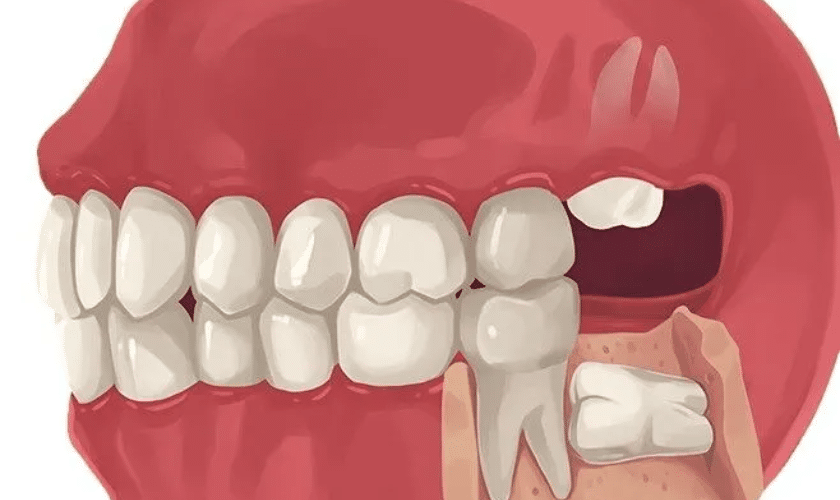
- Impaction: One of the most common issues with wisdom teeth is impaction, where the teeth become trapped beneath the gum line or emerge only partially. This condition can lead to pain, infection, and damage to adjacent teeth.
- Crowding: The late arrival of wisdom teeth can disrupt the existing alignment of teeth, causing overcrowding and misalignment. This can undo years of orthodontic treatment and lead to the need for further interventions.
- Infection and Decay: Partially erupted wisdom teeth can create pockets around them that are difficult to clean, leading to bacterial growth, decay, and gum disease.
- Cysts and Tumors: In rare cases, wisdom teeth can lead to the formation of cysts or tumors, which can damage the jawbone and neighboring teeth if left untreated.
The Importance of Removal
Preventive Measure
Removing wisdom teeth proactively can prevent a host of potential dental problems later in life. Dentists often recommend early evaluation of wisdom teeth to determine if removal is necessary before problems arise. This approach not only avoids future complications but also reduces the complexity of the procedure, as younger patients tend to heal faster with fewer risks.
Maintaining Oral Health
By removing wisdom teeth, individuals can maintain the health and alignment of their existing teeth. Crowded teeth are harder to clean effectively, increasing the risk of cavities, gum disease, and overall deterioration of oral health. Preserving the integrity of the dental arch through timely removal contributes to long-term oral hygiene.
Avoiding Complications
Wisdom teeth removal, when performed by a qualified oral surgeon or dentist, is generally safe and effective. Delaying removal can lead to more significant problems such as infections, nerve damage, and increased surgical complexity as the roots develop and intertwine with nearby structures.
Orthodontic Considerations
For individuals undergoing orthodontic treatment, the presence of wisdom teeth can disrupt the alignment achieved through braces or aligners. Removing wisdom teeth can help maintain the results of orthodontic work and reduce the likelihood of relapse or the need for additional treatment.
Procedure and Recovery
Evaluation
The process begins with a thorough examination, often involving X-rays to assess the position of the wisdom teeth and their potential impact on oral health. Based on this evaluation, the dentist or oral surgeon will recommend whether removal is necessary.
Surgical Procedure
Wisdom teeth removal is typically performed under local anesthesia, though sedation may be offered for anxious patients or more complex cases. The procedure involves making an incision in the gum tissue, removing any bone that blocks access to the tooth, and extracting the tooth itself. Stitches may be necessary to close the incision.
Recovery
Recovery time varies from person to person but generally involves swelling and discomfort for a few days. Pain management, proper oral hygiene, and following post-operative care instructions are crucial for a smooth recovery. Most individuals can resume normal activities within a few days to a week.
In conclusion, the importance of wisdom teeth removal for oral health cannot be overstated. While not everyone will experience complications, the potential risks associated with leaving impacted or problematic wisdom teeth untreated make removal a prudent choice for many individuals. By addressing these issues proactively, patients can preserve their oral health, prevent future dental problems, and maintain a healthy, functional smile for years to come. Consulting with a qualified dentist or oral surgeon can provide personalized guidance and ensure the best possible outcome for wisdom teeth removal and overall oral health.
Recent Posts
Feb. 16, 2026
Oral vs. IV Sedation: What’s the Difference and Which Is Right for You?
Jan. 27, 2026
Daily Care Routine for Dentures: Cleaning & Storage Guide
Jan. 19, 2026
Speech & Dentures: Quick Fixes to Common Issues
Jan. 12, 2026
Top Tips for Eating Comfortably with New Dentures
Jan. 05, 2026
The Ultimate Guide to Dentures: Types, Process, Benefits & Care
Catagories
- Bad Breath (1)
- Cosmetic Dentist (2)
- Dental Bonding (1)
- Dental Checkups (6)
- Dental Crown (1)
- Dental Fillings (1)
- Dental Implants (21)
- Dental Insurance (2)
- Dental Sealant (3)
- Dental Veneers (6)
- Dentures (7)
- Emergency Dentistry (9)
- Gum Disease (2)
- Invisalign (5)
- Mouthguard (3)
- New Year (1)
- Oral Health (12)
- Periodontal Treatment (2)
- root canal (4)
- Sedation Dentistry (2)
- Sumner Dental Group (7)
- teeth whitening (8)
- Tooth Extractions (10)
- Uncategorized (0)
- Wisdom Tooth Extraction (1)