
June 5, 2024
Wisdom Tooth Extraction
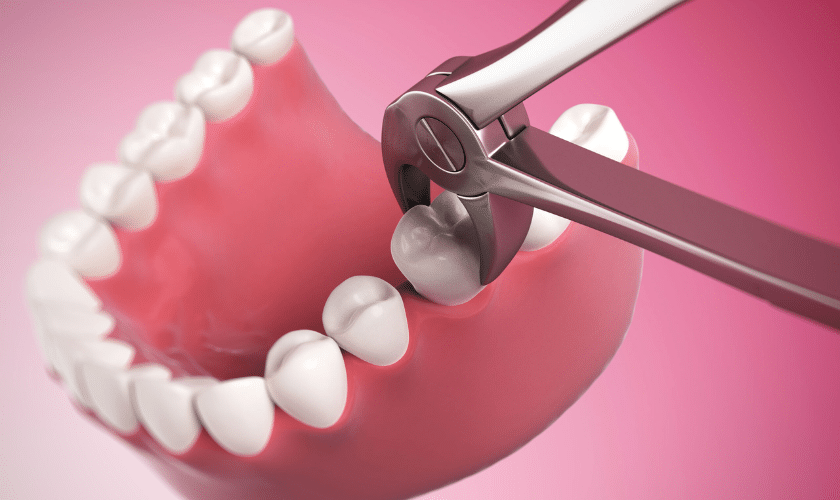
The wisdom teeth, those mysterious and often troublesome inhabitants of the back of our mouths, sometimes need to be extracted. This procedure, while necessary for some, can bring a wave of questions. One of the most common concerns: what happens to the stitches after wisdom tooth extraction? Fear not, fellow wisdom tooth warriors! This human-like guide will explore everything you need to know about those tiny threads and how to navigate the healing process comfortably.
Why Are They Used After Wisdom Tooth Extraction?
Following wisdom tooth removal, the surgeon typically closes the surgical site with stitches, also called sutures. These serve several important purposes:
- Minimize Bleeding: Stitches help control bleeding by compressing the wound edges, promoting faster clotting and a smoother healing process.
- Reduce Risk of Infection: Closing the wound with stitches creates a barrier against bacteria, minimizing the risk of infection developing in the extraction site.
- Promote Proper Healing: Stitches help the gum tissue heal in the correct position, ensuring a proper dental landscape and preventing future complications.
Types of Stitches: Dissolvable vs. Non-Dissolvable
The type of stitches used primarily depends on your dentist’s preference and the complexity of the extraction. Here’s a breakdown of the two most common types:
- Dissolvable Stitches: These are the most commonly used type for wisdom tooth extraction. Made from materials that gradually dissolve in your mouth over time (typically within 7-10 days), they eliminate the need for a separate removal appointment.
- Non-Dissolvable Stitches: These are less common but might be used in specific cases, such as a more complex extraction or a need for extended wound closure. They typically require removal by your dentist after 7-14 days.
Living with Stitches: A Day-by-Day Guide
The first few days after your wisdom tooth extraction are crucial for proper healing. Here’s what to expect as your body adjusts to the stitches:
- Days 1-3: You might experience slight discomfort or swelling around the extraction site. This is normal. Apply an ice pack to the outside of your cheek to reduce swelling. Stick to a soft-food diet and avoid strenuous activity.
- Days 4-7: The swelling should start to subside. The dissolvable stitches might start to feel loose or slightly frayed. This is also normal. Continue gentle rinsing with saltwater and maintain good oral hygiene.
- Day 7 and Beyond: For dissolvable stitches, they should gradually dissolve on their own. If using non-dissolvable stitches, schedule an appointment with your dentist for removal around this timeframe.
Caring for Your Stitches: Gentle Techniques for Optimal Healing
Following proper care for your stitches is essential for a smooth recovery:
- Avoid Picking or Touching: Resist the urge to touch or pick at the stitches. This can irritate the wound and increase the risk of infection.
- Gentle Brushing: Continue brushing your teeth twice daily, but be extra gentle around the extraction site. Use a soft-bristled toothbrush and avoid harsh brushing motions.
- Saltwater Rinses: Mix a teaspoon of salt with warm water and gently rinse your mouth 2-3 times a day. This helps remove food debris and promotes healing.
- Maintain a Soft Food Diet: Stick to soft foods like mashed potatoes, yogurt, and applesauce for the first few days to avoid putting stress on the extraction site and stitches. Gradually reintroduce solid foods as your mouth heals.
Signs of Potential Complications: When to Call Your Dentist
While some discomfort is expected, be on the lookout for signs that might indicate potential complications:
- Excessive Bleeding: If significant bleeding persists for more than 24 hours after your extraction, contact your dentist immediately.
- Severe Pain: Pain that is not manageable with medication or intensifies over time warrants a call to your dentist.
- Prolonged Swelling: If swelling worsens or doesn’t subside within a few days, it’s best to consult your dentist.
- Fever: A fever can be a sign of infection. If you experience a fever after your extraction, see your dentist promptly.
The Final Stitch: Embracing a Speedy Recovery
By understanding the purpose of stitches, the types used, and how to care for them, you can confidently navigate the healing process after wisdom tooth extraction. Remember, proper care, good oral hygiene practices, and a soft-food diet are your allies for a speedy recovery. Don’t hesitate to contact your dentist if you have any concerns or experience any unexpected complications. With a little patience and these handy tips, your wisdom tooth extraction will soon be a distant memory, replaced by a healthy, beautiful smile.
Recent Posts
Mar. 13, 2026
Recovery Tips After All-On-4 Teeth in a Day Surgery

Feb. 16, 2026
Oral vs. IV Sedation: What’s the Difference and Which Is Right for You?
Jan. 27, 2026
Daily Care Routine for Dentures: Cleaning & Storage Guide

Jan. 19, 2026
Speech & Dentures: Quick Fixes to Common Issues
Jan. 12, 2026
Top Tips for Eating Comfortably with New Dentures
Catagories
- Bad Breath (1)
- Cosmetic Dentist (2)
- Dental Bonding (1)
- Dental Checkups (6)
- Dental Crown (1)
- Dental Fillings (1)
- Dental Implants (22)
- Dental Insurance (2)
- Dental Sealant (3)
- Dental Veneers (6)
- Dentures (7)
- Emergency Dentistry (9)
- Gum Disease (2)
- Invisalign (5)
- Mouthguard (3)
- New Year (1)
- Oral Health (12)
- Periodontal Treatment (2)
- root canal (4)
- Sedation Dentistry (2)
- Sumner Dental Group (7)
- teeth whitening (8)
- Tooth Extractions (10)
- Uncategorized (0)
- Wisdom Tooth Extraction (1)