

July 21, 2024
Tooth Extractions
Tooth extraction is a common dental procedure that can leave patients wondering about their post-operative care, particularly when it comes to diet. Eating the right foods after a tooth extraction is crucial for promoting healing, reducing discomfort, and preventing complications. In this comprehensive guide, we will explore what to eat after a tooth extraction, offer specific food recommendations, and provide helpful tips for a smooth recovery.
Understanding Tooth Extraction
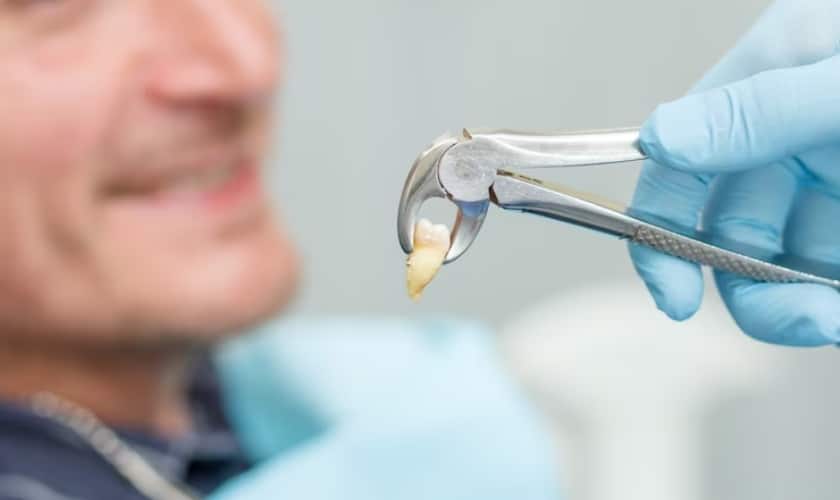
Tooth extraction involves the removal of a tooth from its socket in the bone. This procedure may be necessary for various reasons, including severe decay, infection, crowding, or damage. There are two types of tooth extractions:
- Simple Extraction: This is performed on a tooth that is visible in the mouth. It typically involves loosening the tooth with an instrument called an elevator and removing it with forceps.
- Surgical Extraction: This is a more complex procedure used for teeth that are not easily accessible, such as impacted teeth. It may involve making an incision in the gum and removing the tooth in pieces.
The Importance of a Post-Extraction Diet
After a tooth extraction, the body needs proper nutrition to heal effectively. Eating the right foods can help:
- Reduce Pain and Swelling: Soft, easy-to-chew foods minimize irritation to the extraction site.
- Prevent Complications: Avoiding certain foods can prevent issues like dry sockets, a painful condition that occurs when the blood clot at the extraction site is dislodged.
- Promote Healing: Nutrient-rich foods provide the vitamins and minerals needed for tissue repair and recovery.
Foods to Eat After Tooth Extraction

1. Smoothies and Shakes
Smoothies and shakes are excellent choices after a tooth extraction. They are easy to consume, require no chewing, and can be packed with essential nutrients. Use soft fruits like bananas, berries, and avocados. Add yogurt or milk for protein and calcium. Avoid using straws, as the suction can dislodge the blood clot.
2. Soups and Broths
Warm (not hot) soups and broths provide hydration and are gentle on the extraction site. Choose nutrient-dense options like chicken broth, vegetable soup, or bone broth. Ensure the soups are smooth and free from large chunks to avoid irritating the extraction site.
3. Mashed Potatoes
Mashed potatoes are a comforting, soft food that is easy to eat after tooth extraction. They are filling and can be enriched with butter, milk, or cheese for added nutrition. Make sure they are smooth and free from lumps.
4. Applesauce
Applesauce is a great choice due to its smooth texture and natural sweetness. It is gentle on the extraction site and provides some vitamins and fiber. Choose unsweetened applesauce to avoid unnecessary sugars.
5. Yogurt
Yogurt is soft, easy to swallow, and rich in protein and probiotics, which can aid in digestion and overall health. Choose plain or low-sugar varieties and avoid those with fruit chunks.
6. Scrambled Eggs
Scrambled eggs are soft, easy to chew, and high in protein. They can be a nutritious and satisfying option for breakfast or any meal. Cook them until they are soft and avoid overcooking, which can make them harder to chew.
7. Cottage Cheese
Cottage cheese is soft and packed with protein. It can be eaten alone or mixed with soft fruits for added flavor and nutrition. Its smooth texture makes it an ideal post-extraction food.
8. Oatmeal
Oatmeal is a warm, soft food that can be easily consumed after tooth extraction. It provides fiber and essential nutrients. Make sure the oatmeal is well-cooked and not too thick. You can add soft fruits or honey for flavor.
9. Avocado
Avocado is a soft, creamy fruit that is easy to eat and rich in healthy fats, vitamins, and minerals. It can be mashed and eaten alone or spread on soft bread.
10. Pudding and Jell-O
Pudding and Jell-O are easy to swallow and can be soothing after tooth extraction. They provide a sweet treat without the need for chewing. Opt for low-sugar or sugar-free varieties to avoid excess sugar intake.
Foods to Avoid After Tooth Extraction
Certain foods should be avoided after a tooth extraction to prevent irritation, pain, and complications:
- Crunchy and Hard Foods: Foods like nuts, chips, and hard candies can irritate or dislodge the blood clot, leading to dry socket.
- Sticky Foods: Chewy candies, caramel, and gum can stick to the extraction site and cause discomfort or dislodge the clot.
- Spicy Foods: Spices can irritate the extraction site and cause pain.
- Acidic Foods: Citrus fruits and juices can cause a burning sensation and delay healing.
- Hot Foods and Beverages: Hot temperatures can increase swelling and discomfort. Consume foods and drinks that are warm or at room temperature.
- Alcohol: Alcohol can interfere with the healing process and should be avoided until you have fully recovered.
Tips for Eating After Tooth Extraction
To ensure a smooth recovery, follow these tips:
- Stay Hydrated: Drink plenty of water to stay hydrated and support healing. Avoid using straws to prevent dislodging the blood clot.
- Chew on the Opposite Side: If possible, chew on the side of your mouth opposite the extraction site to avoid irritation.
- Take Small Bites: Cut your food into small pieces and take small bites to make chewing easier and more comfortable.
- Maintain Oral Hygiene: Keep your mouth clean by gently rinsing with a saline solution or an antiseptic mouthwash as recommended by your dentist. Avoid brushing the extraction site directly for the first few days.
- Follow Your Dentist’s Instructions: Adhere to any specific dietary recommendations or restrictions provided by your dentist.
Sample Meal Plan After Tooth Extraction
Here is a sample meal plan to guide you through the first few days after your tooth extraction:
Day 1
- Breakfast: Smoothie made with banana, berries, yogurt, and milk
- Snack: Applesauce
- Lunch: Warm chicken broth
- Snack: Pudding
- Dinner: Mashed potatoes with butter and milk
Day 2
- Breakfast: Scrambled eggs
- Snack: Cottage cheese with soft fruit
- Lunch: Blended vegetable soup
- Snack: Yogurt
- Dinner: Oatmeal with honey and mashed banana
Day 3
- Breakfast: Avocado spread on soft bread
- Snack: Jell-O
- Lunch: Warm bone broth
- Snack: Smoothie made with soft fruits and milk
- Dinner: Mashed sweet potatoes
Eating the right foods after a tooth extraction is essential for a smooth and speedy recovery. Focus on soft, nutrient-rich foods that are easy to chew and swallow, and avoid foods that can irritate the extraction site or cause complications. By following these guidelines and maintaining good oral hygiene, you can support the healing process and get back to your normal diet as quickly as possible.
If you have any concerns or experience unusual symptoms during your recovery, do not hesitate to contact your dentist for advice and assistance. Proper post-extraction care is crucial for ensuring optimal healing and long-term oral health.
Recent Posts
Mar. 27, 2026
Are You a Candidate for All-On-4 Implants? Key Eligibility Factors
Mar. 13, 2026
Recovery Tips After All-On-4 Teeth in a Day Surgery

Feb. 16, 2026
Oral vs. IV Sedation: What’s the Difference and Which Is Right for You?
Jan. 27, 2026
Daily Care Routine for Dentures: Cleaning & Storage Guide
Jan. 19, 2026
Speech & Dentures: Quick Fixes to Common Issues
Catagories
- Bad Breath (1)
- Cosmetic Dentist (2)
- Dental Bonding (1)
- Dental Checkups (6)
- Dental Crown (1)
- Dental Fillings (1)
- Dental Implants (23)
- Dental Insurance (2)
- Dental Sealant (3)
- Dental Veneers (6)
- Dentures (7)
- Emergency Dentistry (9)
- Gum Disease (2)
- Invisalign (5)
- Mouthguard (3)
- New Year (1)
- Oral Health (12)
- Periodontal Treatment (2)
- root canal (4)
- Sedation Dentistry (2)
- Sumner Dental Group (7)
- teeth whitening (8)
- Tooth Extractions (10)
- Uncategorized (0)
- Wisdom Tooth Extraction (1)