
December 30, 2025
teeth whitening
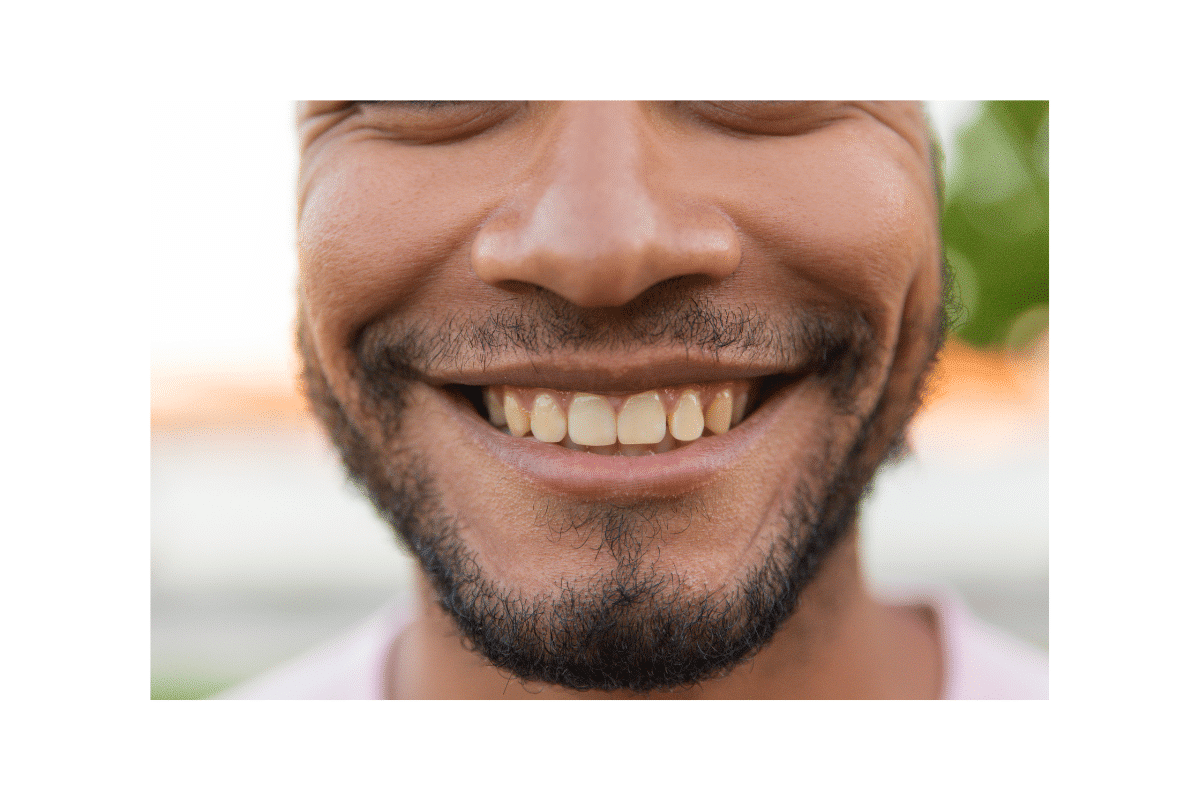
Tooth stains are annoying. They do not go away easily, and they can influence how you feel about your smile. Coffee in the morning, a glass of wine at night, even that bowl of berries you had for lunch — all of it adds up. If you’re frustrated about your teeth not looking as bright as you’d like, you’re definitely not the only one. Tooth discoloration happens for a bunch of reasons, but you can fight back with the right habits.
Common Causes of Tooth Stains
Tooth stains come in two main types: surface stains (extrinsic) and deeper stains (intrinsic). Each type has its own causes and fixes, so it helps to know what you’re up against.
1. Foods and Drinks: The Usual Suspects
What you eat and drink can leave its mark on your teeth. Coffee, tea, red wine, and berries are harsh on your enamel. They’re packed with pigments and tannins that latch onto your teeth. These stubborn surface stains.
- Coffee & Tea: Both are loaded with tannins. Drink them enough, and you’ll start to notice your teeth appear dull.
- Red Wine: Tastes great, but it’s brutal on your teeth. It stains deep, thanks to all those chromogens and tannins.
- Berries: Blueberries, blackberries, and pomegranates are healthy but are high in dark pigments that can cling to enamel.
If eliminating all your favorites from your diet seems taxing, simply schedule an in-office teeth whitening treatment at your local Gallatin dental office. No matter what has caused your stained teeth, a dentist’s help in removing them is essential.
2. Tobacco
Smoking or chewing tobacco is a major cause of yellow or brown teeth. Nicotine and tar stain both the surface and the inside of your teeth, and these stains don’t come off easily. Tobacco also brings along all sorts of other dental problems, like gum disease and cavities. It’s just bad news all around.
3. Compromising with Oral Hygiene
If you skip brushing or flossing, food and bacteria pile up. That buildup turns into plaque, then tartar, and suddenly your teeth look dark. Plus, once tartar’s there, it’s way easier for deeper stains to stick. Keeping up with regular brushing and flossing is probably the simplest way to keep your teeth looking clean.
- Brush and Floss: Brush your teeth twice a day. Floss daily once.
- Mouthwash: This helps too. It washes away leftover food and bacteria that could stain your teeth.
4. Getting Older
Aging impacts how your teeth look. The outer enamel thins, so the yellowish dentin beneath starts to show through. Even if you’re careful, your teeth might not stay as white as when you were younger. But sticking to good habits and watching what you eat can help keep your smile brighter for longer.
5. Medications and Health Issues
Medicines like tetracycline can leave stains on your teeth. Antihistamines can lead to such concerns, too. Health conditions like dry mouth can worsen your condition. Less saliva flow means more plaque accumulation and food sticking around, which leads to stains.
6. Too Much Fluoride
Fluoride is good for your teeth, but too much can cause fluorosis, which shows up as white streaks or spots that can turn brown or gray if things get really out of hand. So, drink water with an optimal fluoride level.
You don’t have to deal with stained teeth. Pay attention to what you eat and drink, keep up with oral hygiene habits, and don’t be afraid to get professional help if you need it. If you’re already seeing stains, talk to our dentist at Sumner Dental Group about which whitening option works best for you.
FAQs
1. Can tooth stains be prevented?
Yes, regular brushing, flossing, and visiting your dentist for cleanings can help prevent most types of tooth stains. Avoiding stain-causing foods and drinks can also make a significant difference.
2. Are there any foods that help whiten teeth?
Yes! Foods like crunchy vegetables (carrots, celery), strawberries, and apples can help naturally scrub away plaque and surface stains.
3. How long does professional teeth whitening take?
A typical teeth whitening session can take about 1 to 2 hours. You’ll see noticeable results immediately after the treatment.
4. Are at-home whitening products effective?
At-home whitening products can help maintain your results, but they may not be as powerful or long-lasting as professional treatments.
5. Can smoking affect the outcome of whitening treatments?
Yes, smoking can reverse the effects of whitening treatments quickly. It’s best to avoid tobacco to maintain a bright smile.
Recent Posts
Jan. 27, 2026
Daily Care Routine for Dentures: Cleaning & Storage Guide
Jan. 19, 2026
Speech & Dentures: Quick Fixes to Common Issues
Jan. 12, 2026
Top Tips for Eating Comfortably with New Dentures
Jan. 05, 2026
The Ultimate Guide to Dentures: Types, Process, Benefits & Care
Dec. 30, 2025
What Are the Common Causes of Tooth Stains?
Catagories
- Bad Breath (1)
- Cosmetic Dentist (2)
- Dental Bonding (1)
- Dental Checkups (6)
- Dental Crown (1)
- Dental Fillings (1)
- Dental Implants (21)
- Dental Insurance (2)
- Dental Sealant (3)
- Dental Veneers (6)
- Dentures (7)
- Emergency Dentistry (9)
- Gum Disease (2)
- Invisalign (5)
- Mouthguard (3)
- New Year (1)
- Oral Health (12)
- Periodontal Treatment (2)
- root canal (4)
- Sedation Dentistry (1)
- Sumner Dental Group (7)
- teeth whitening (8)
- Tooth Extractions (10)
- Uncategorized (0)
- Wisdom Tooth Extraction (1)