
September 2, 2025
Dental Implants
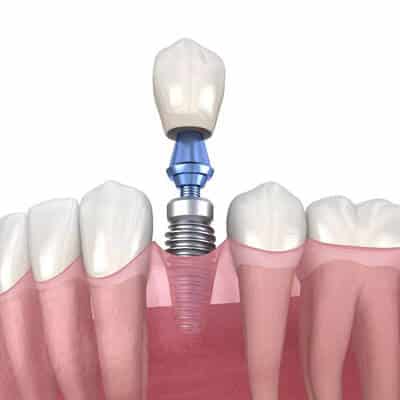
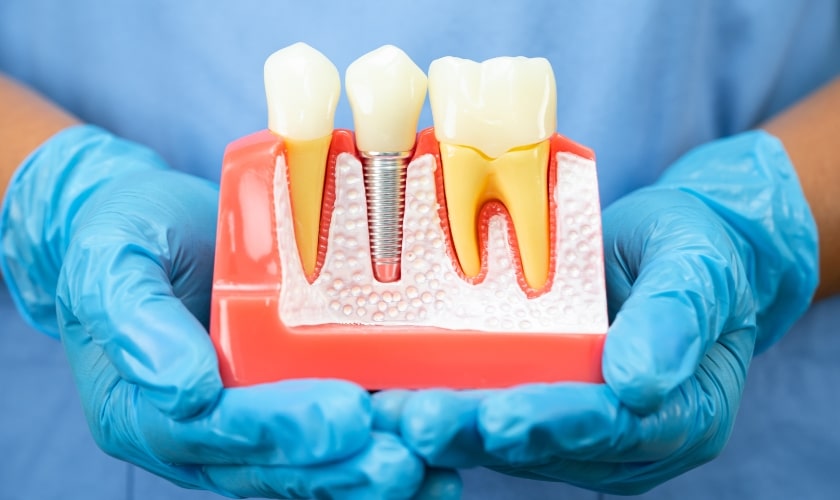
Dental implants are a life-changing option for missing teeth with better function and aesthetics. However, with even greater than 95% success, there can be complications. You need to have regular checks on your implants to ensure long-term health.
Neglecting warning signs could lead to more significant issues, such as implant failure. This blog will inform you of warning signs that your implant requires professional attention.
Why Regular Monitoring of Dental Implants is Necessary
Regular follow-ups are crucial after getting these artificial tooth roots, as this promotes long-term success. Your initial healing takes place during the first few months, but constant care keeps everything intact.
Oral care is a big factor as well. Neglecting oral care can lead to infection, and it might ruin your implants. Lifestyle factors like smoking or unhealthy eating habits also play a part in keeping your implants healthy.
Regular dental checkups enable problems to be diagnosed early and prevent further problems. Regular care keeps your dental implants in Gallatin functional for many years.
Signs Your Dental Implant May Be Failing
Pain and Discomfort
Some discomfort during the initial healing process is expected. Persistent pain after healing can be a problem. A rise in pain on pressure or movement may signal infection or implant failure. Pain that lasts may be a problem that needs to be treated.
Loosening of the Implant
Implants have to be firm after they are fully integrated with the bone. A loose implant may be due to infection or bone loss. The loose implant is dangerous and should be inspected by a professional right away.
Swollen or Infected Gums Around the Implant
Puffy, swollen, or bleeding gums near the implant indicate gum disease or infection. Infection can harm the implant and the gums, which leads to failure of the implant. The symptoms have to be addressed immediately to prevent further damage.
Changes in the Bite or Implant Alignment
Misalignment of the implant can result in bite issues and be uncomfortable. If you sense that your implant is misplaced or you are having difficulty chewing or biting, professional help is required to avoid complications.
What Causes Dental Implant Failure?
Infection
Infections have been one of the prime reasons for failure in dental implants in Gallatin. Infected bacteria may be introduced by poor oral health, smoking, or a poor healing environment. Infection compromises the stability of the implant by loosening the interface between the implant and the bone. This can be prevented by proper care and early intervention.
Implant Overloading
Too much stress on the implant, usually due to grinding or clenching, can cause failure. Overloading puts excessive stress on the implant and causes loosening or fractures. The risk is reduced with a nightguard and by eliminating hard foods.
Failed Integration with Jawbone
Dental implants rely on osseointegration, where the implant integrates with the jawbone. When the implant fails to integrate, it becomes loose and eventually fails. Several factors, such as bone quality or infection, can get in the way of this process.
What to Do if You Suspect Implant Failure
If you notice any of the above signs, visit your dentist immediately. Prompt treatment will prevent further complications and help save your implant. Not dealing with issues only threatens to lose your implant permanently.
Your dentist will then do a thorough checkup by means of X-rays and visual inspection to assess the health of the implant. They are also able to establish whether there are indications of infection or loss of bone. Based on the findings, your dentist will recommend a treatment or replacement of the implant.
Knowing the symptoms of failure early on is crucial to keep your oral health and that of the implant intact. Don’t put off seeing our professionals if you notice any of them. Taking action early will save you from losing your implant and having a healthy, working smile.
Recent Posts
Jan. 27, 2026
Daily Care Routine for Dentures: Cleaning & Storage Guide
Jan. 19, 2026
Speech & Dentures: Quick Fixes to Common Issues
Jan. 12, 2026
Top Tips for Eating Comfortably with New Dentures
Jan. 05, 2026
The Ultimate Guide to Dentures: Types, Process, Benefits & Care

Dec. 30, 2025
What Are the Common Causes of Tooth Stains?
Catagories
- Bad Breath (1)
- Cosmetic Dentist (2)
- Dental Bonding (1)
- Dental Checkups (6)
- Dental Crown (1)
- Dental Fillings (1)
- Dental Implants (21)
- Dental Insurance (2)
- Dental Sealant (3)
- Dental Veneers (6)
- Dentures (7)
- Emergency Dentistry (9)
- Gum Disease (2)
- Invisalign (5)
- Mouthguard (3)
- New Year (1)
- Oral Health (12)
- Periodontal Treatment (2)
- root canal (4)
- Sedation Dentistry (1)
- Sumner Dental Group (7)
- teeth whitening (8)
- Tooth Extractions (10)
- Uncategorized (0)
- Wisdom Tooth Extraction (1)