
August 28, 2023
Dental Implants
Dental implants have revolutionized modern dentistry, offering a permanent solution for missing teeth that not only restores function but also enhances aesthetics. However, not everyone is an ideal candidate for this remarkable treatment. To ensure the success of dental implants, certain criteria must be met. In this comprehensive guide, we will delve into the essential factors that determine who is a good candidate for dental implants. From oral health and bone density to overall well-being, understanding these criteria will help you assess your eligibility and make an informed decision about this life-changing dental procedure.
What Are Dental Implants?
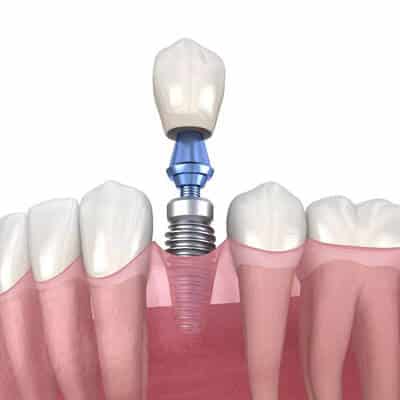
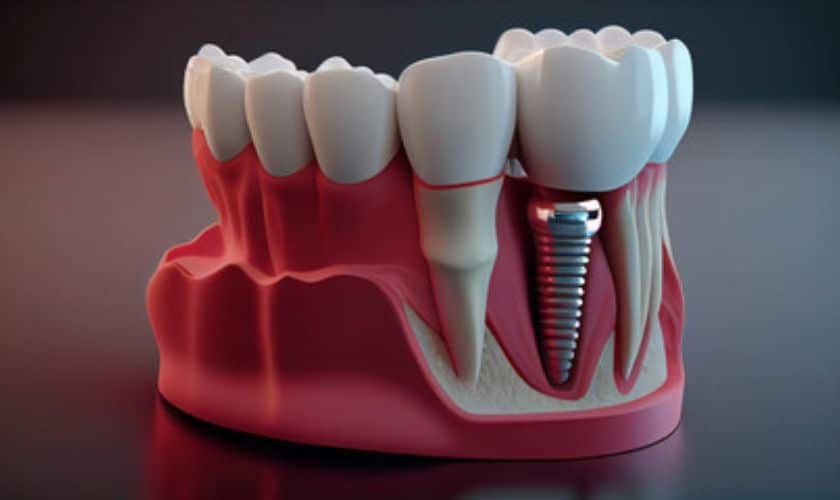
Dental implants are state-of-the-art replacements for missing teeth. They consist of three main components: a titanium post surgically implanted into the jawbone, an abutment that connects the post to a replacement tooth (crown), and the crown itself. Dental implants serve as a sturdy and natural-looking foundation for individual tooth replacements or even entire sets of teeth. They mimic the function and appearance of natural teeth, allowing patients to chew, speak, and smile with confidence. Dental implants have transformed modern dentistry by providing a long-lasting and aesthetically pleasing solution to tooth loss, vastly improving the quality of life for those who opt for this remarkable treatment.
The Importance of Candidate Criteria
Assessing candidate criteria is crucial because it directly impacts the long-term success of dental implant procedures. Meeting these criteria ensures that the patient’s oral health, bone density, and overall well-being are in optimal condition for implant placement, reducing the risk of complications and increasing the likelihood of a successful and enduring dental implant restoration. This emphasis on candidacy criteria underscores the importance of personalized assessment and tailored treatment plans for each patient, ultimately leading to more satisfied and confident smiles.
Criteria for Dental Implant Candidates
1. Oral Health and Gum Condition:
– Candidates should have good oral health, with no active gum diseases or untreated dental issues like cavities.
– Healthy gums are essential for successful implant integration.
2. Sufficient Bone Density:
– Adequate jawbone density is necessary to provide strong support for the implant post.
– Candidates with bone loss may require bone grafting procedures to augment bone density.
3. Overall Health and Medical History:
– Candidates should be in good overall health and disclose their medical history to the implant specialist.
– Certain medical conditions or medications may affect candidacy, so a thorough assessment is crucial.
4. Lifestyle Factors:
– Lifestyle factors, such as smoking and excessive alcohol consumption, can negatively impact implant success.
– Candidates may be advised to make lifestyle changes before undergoing implant surgery.
5. Commitment to Aftercare:
– Candidates must commit to proper oral hygiene and regular dental check-ups after implant placement.
– Post-implant care is essential for maintaining oral health and the longevity of the implant restoration.
Oral Health and Gum Condition
Candidates for dental implants should exhibit excellent oral health with no active gum diseases (like gingivitis or periodontitis) or untreated dental issues such as cavities. Healthy gums are crucial because they provide a stable foundation for the implant and promote successful integration with the jawbone. Regular dental check-ups and necessary treatments to address any existing oral health concerns are essential to ensure the implant’s long-term success. A comprehensive assessment of gum health is typically conducted before proceeding with the implant procedure, emphasizing the importance of maintaining a healthy oral environment for successful dental implant candidacy.
Adequate Bone Density
One of the critical criteria for dental implant candidacy is having sufficient bone density in the jawbone. The implant post, typically made of titanium, needs a sturdy foundation to integrate and support the replacement tooth effectively. In cases where a patient has experienced bone loss, such as due to tooth extraction or periodontal disease, additional procedures like bone grafting may be necessary to augment bone density. Ensuring there is enough bone to support the implant is crucial for the long-term stability and success of the dental implant restoration. It allows for secure anchoring and mimics the strength of a natural tooth root.
Overall Health and Medical History
A candidate’s overall health and medical history play a significant role in determining their suitability for dental implants. It’s crucial to disclose any medical conditions, chronic illnesses, or medications to the implant specialist during the evaluation process. Certain conditions or medications can impact the body’s ability to heal, which may affect the success of the implant procedure. Additionally, factors like autoimmune diseases or conditions that compromise the immune system may require careful consideration and potentially modified treatment plans. A comprehensive assessment ensures that the candidate’s overall health is compatible with the dental implant procedure and supports a successful and safe outcome.
Lifestyle Factors
Lifestyle choices, such as smoking and excessive alcohol consumption, can significantly impact dental implant candidacy. Smoking, in particular, is a concern because it can hinder the body’s ability to heal and increase the risk of implant failure. Tobacco use can compromise blood flow to the gums and bone, delaying the healing process. Excessive alcohol consumption can also affect the body’s ability to recover post-surgery. Candidates who engage in these behaviors may be advised to make necessary lifestyle changes before undergoing dental implant surgery to optimize their chances of successful implant integration and long-term implant stability.
Commitment to Aftercare
Candidates for dental implants must commit to a rigorous aftercare routine. This includes maintaining excellent oral hygiene by brushing, flossing, and using mouthwash regularly. Additionally, candidates should adhere to the recommended schedule of follow-up appointments with their implant specialist. These post-implant check-ups are crucial for monitoring the implant’s integration, addressing any potential issues promptly, and ensuring the long-term success of the restoration. The commitment to aftercare not only promotes oral health but also helps preserve the durability and aesthetics of the dental implant, allowing patients to enjoy their new smile for years to come.
In determining who is a suitable candidate for dental implants, adherence to specific criteria is essential. Good oral health, sufficient bone density, overall well-being, lifestyle considerations, and a commitment to post-implant care all contribute to the success and longevity of dental implant restorations, ensuring patients can smile with confidence for years to come.
Recent Posts
Jan. 27, 2026
Daily Care Routine for Dentures: Cleaning & Storage Guide
Jan. 19, 2026
Speech & Dentures: Quick Fixes to Common Issues
Jan. 12, 2026
Top Tips for Eating Comfortably with New Dentures
Jan. 05, 2026
The Ultimate Guide to Dentures: Types, Process, Benefits & Care

Dec. 30, 2025
What Are the Common Causes of Tooth Stains?
Catagories
- Bad Breath (1)
- Cosmetic Dentist (2)
- Dental Bonding (1)
- Dental Checkups (6)
- Dental Crown (1)
- Dental Fillings (1)
- Dental Implants (21)
- Dental Insurance (2)
- Dental Sealant (3)
- Dental Veneers (6)
- Dentures (7)
- Emergency Dentistry (9)
- Gum Disease (2)
- Invisalign (5)
- Mouthguard (3)
- New Year (1)
- Oral Health (12)
- Periodontal Treatment (2)
- root canal (4)
- Sedation Dentistry (1)
- Sumner Dental Group (7)
- teeth whitening (8)
- Tooth Extractions (10)
- Uncategorized (0)
- Wisdom Tooth Extraction (1)